

Facial Hair Growth in Teen Girls: Causes and Solutions
Updated: Apr 8

Introduction
Hey 😊… be happy and take a deep breath.
It’s completely normal to notice changes in your body during your teenage years, including hair growth on the face or body. Many girls feel a mix of emotions like embarrassment, confusion, or anxiety when they first experience this—but the truth is, you’re not alone, and there’s nothing wrong with you.
Your body is simply going through natural hormonal changes as part of growing up. Facial hair, especially light or mild growth, is a common and harmless part of this journey. Even when it feels uncomfortable, remember—this is manageable, temporary in many cases, and absolutely not something to stress about.
Instead of worrying, focus on understanding your body, building confidence, and taking simple steps toward balance and self-care. There are safe, natural solutions and easy lifestyle changes that can help you manage it effectively.
In some cases, conditions like Hirsutism may play a role, but even then, it can be controlled with proper care and guidance.
So smile, stay confident, and remind yourself—this is just a small part of your journey, and you are perfectly okay just the way you are 💛
Emotional Impact on Teen Girls

Facial hair during the teenage years can sometimes feel overwhelming, especially when you are already going through many physical and emotional changes. It’s completely natural to become more aware of your appearance and to feel sensitive about even small changes.
You may sometimes feel different, uncomfortable, or unsure—and that’s okay. These feelings do not define you. They are just part of growing, learning, and understanding your body.
Common Feelings
Embarrassment
Anxiety
Social discomfort
At times, you might compare yourself with others or feel like you are the only one facing this—but the truth is, many girls go through similar experiences. You are not alone in this journey.
Support Strategies
Open communication with parents
Education about the condition
Encouragement and reassurance
Talking to someone you trust can make a big difference. When you understand what’s happening in your body, fear and confusion slowly fade away.
💛 A Gentle Reminder
You are doing absolutely fine.You are strong, you are growing, and you are learning about yourself.
This is just a small phase—not a problem.
You are a good and beautiful person just the way you are, and small changes like this do not reduce your worth in any way. In fact, understanding and handling these situations makes you even stronger and more confident.
Be kind to yourself. Be patient with your body. And most importantly—be proud of who you are 🌼
Is Facial Hair Normal in Teen Girls?

Yes, facial hair is completely normal in teen girls. Every human body has hair follicles, and the presence of fine, soft hair (vellus hair) on the face is a natural part of development.
Normal Hair Growth:
Light, soft, and barely visible
Evenly distributed
Stable over time
When It Becomes a Concern:
Hair becomes thick and dark
Growth increases rapidly
Appears in male-pattern areas
Accompanied by other symptoms
In such cases, it may indicate hormonal imbalance or a condition like Hirsutism.
Understanding Hair Types

Facial hair in teen girls can be categorized into:
1. Vellus Hair
Fine, light-colored
Common and harmless
2. Terminal Hair
Thick, dark, and coarse
More noticeable
Often linked to hormonal influence
The transition from vellus to terminal hair is primarily influenced by hormones, particularly androgens.
Common Areas of Facial Hair Growth
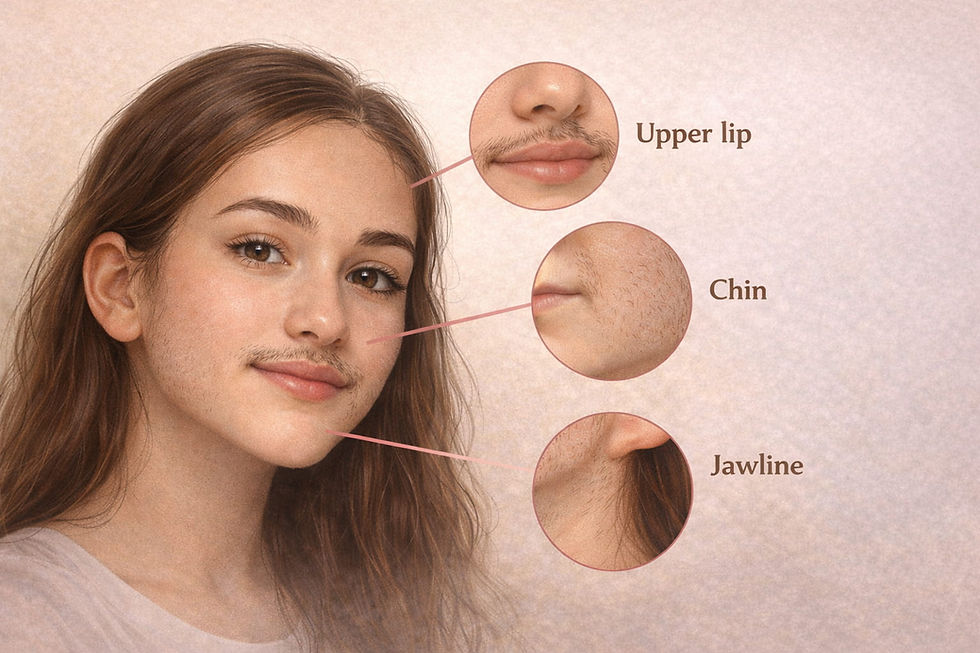
Teen girls may notice hair growth in the following areas:
Upper lip
Chin
Jawline
Sideburn region
These areas are sensitive to hormonal changes and may show early signs of imbalance.
Major Causes of Facial Hair Growth in Teen Girls
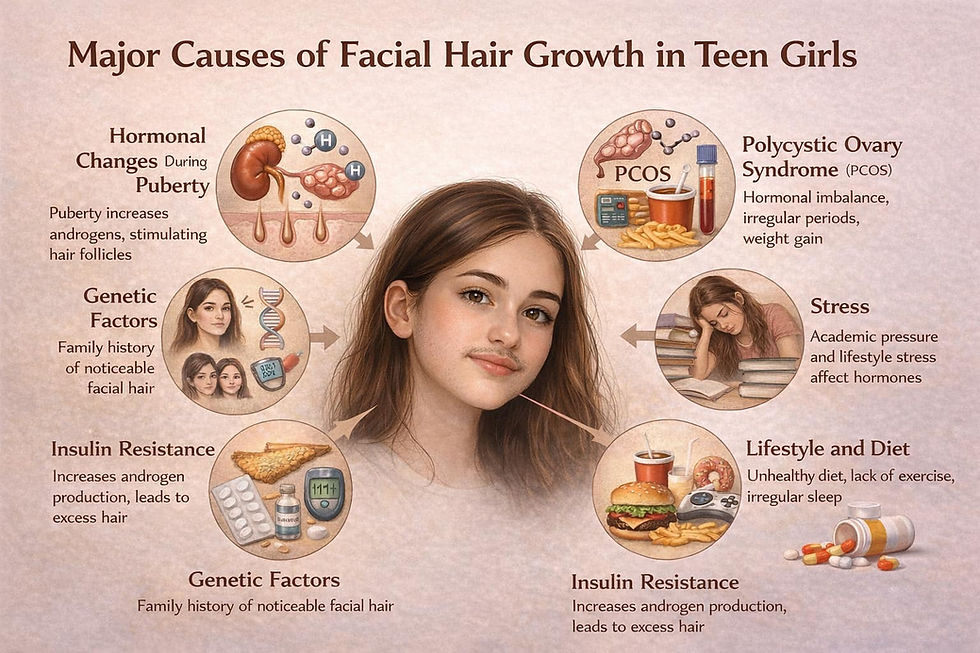
1. Hormonal Changes During Puberty
Puberty is the most common cause of facial hair growth in teen girls. During this stage, the body produces hormones that regulate growth and development.
An increase in androgens can stimulate hair follicles, leading to thicker hair in certain areas.
2. Polycystic Ovary Syndrome (PCOS)
One of the significant medical causes is Polycystic Ovary Syndrome (PCOS).
PCOS affects hormone levels and is increasingly seen in teenage girls.
Symptoms:
Irregular periods
Acne
Weight gain
Oily skin
Excess facial hair
Early diagnosis and management are important for long-term health.
3. Genetic Factors
Genetics play a major role in determining hair growth patterns. If family members have noticeable facial hair, it is likely to be inherited.
4. Insulin Resistance
Insulin resistance can increase androgen production, which in turn leads to excess hair growth.
5. Lifestyle and Diet
Modern teenage lifestyles contribute significantly to hormonal imbalance.
Contributing Factors:
High sugar intake
Junk food consumption
Lack of physical activity
Irregular sleep
6. Stress
Academic pressure and lifestyle stress can affect hormonal balance, indirectly influencing hair growth.
7. Medications
Certain medications may trigger increased hair growth as a side effect.
Symptoms to Watch
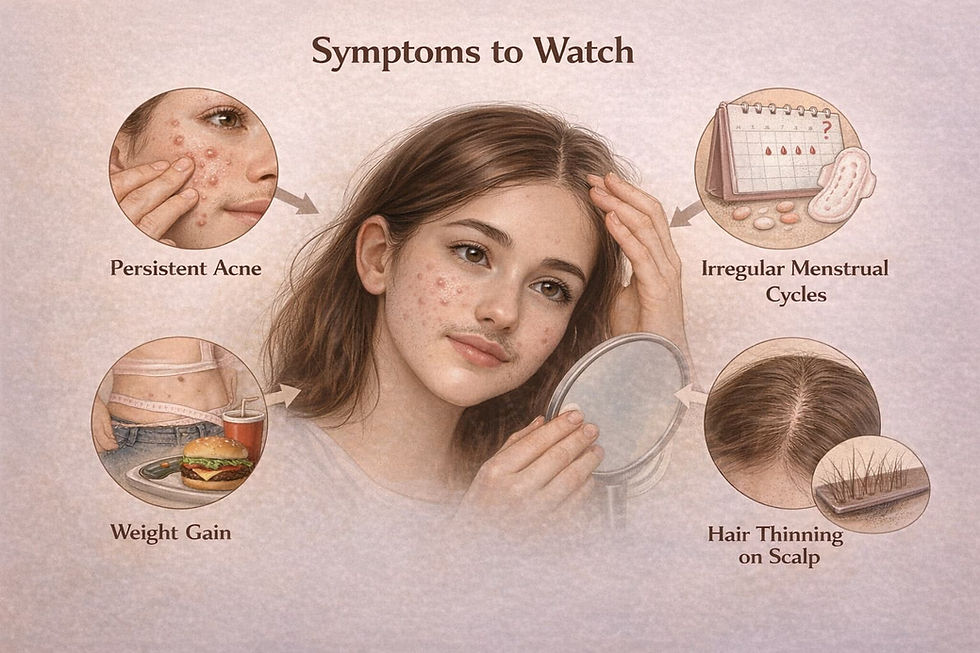
Facial hair growth may be accompanied by:
Persistent acne
Irregular menstrual cycles
Weight gain
Hair thinning on scalp
These symptoms may indicate an underlying hormonal issue.
Diagnosis and Medical Evaluation
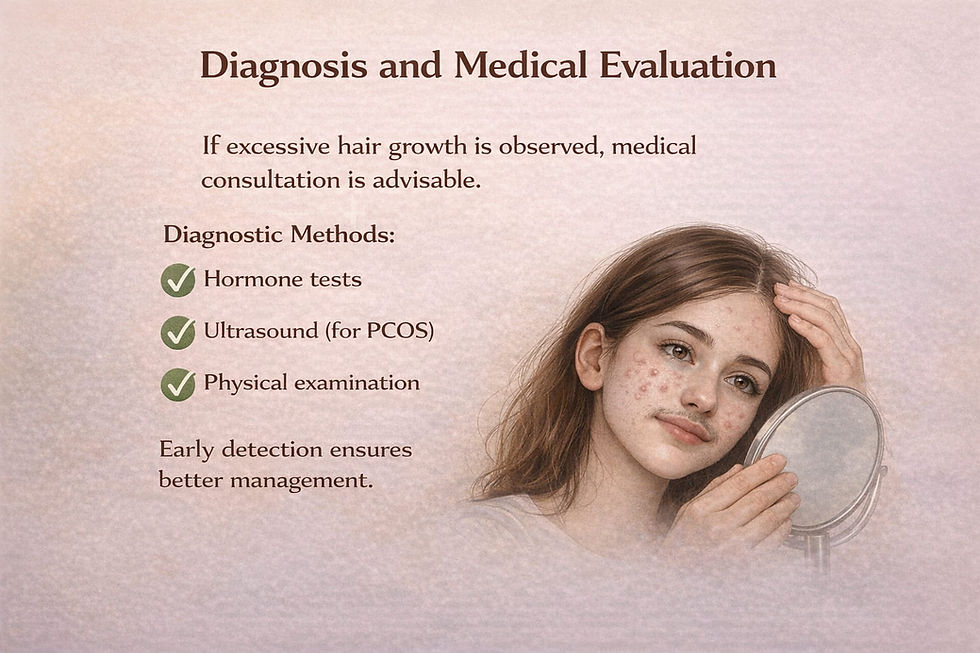
If excessive hair growth is observed, medical consultation is advisable.
Diagnostic Methods:
Hormone tests
Ultrasound (for PCOS)
Physical examination
Early detection ensures better management.
Natural Solutions for Facial Hair Growth

Natural methods are safe and effective for teenagers, focusing on gradual improvement.
1. Balanced Diet
A healthy diet supports hormonal balance.
Include:
Fruits and vegetables
Whole grains
Nuts and seeds
Lean proteins
Avoid:
Sugary drinks
Processed foods
Excess junk food
2. Spearmint Tea
Spearmint tea may help reduce androgen levels.
3. Turmeric Remedies
Turmeric has natural anti-inflammatory properties.
Use:
Mix with milk or water
Apply on face
Wash after drying
4. Exercise
Regular physical activity improves hormone regulation and reduces stress.
5. Stress Management
Encourage practices such as:
Yoga
Meditation
Deep breathing
6. Homemade Remedies
Gram flour (besan) packs
Sugar and lemon scrubs
Papaya and turmeric mixtures
These help in gradual hair reduction and skin improvement.
Safe Hair Removal Methods for Teen Girls

Threading
Threading is one of the most precise and skin-friendly techniques for removing unwanted facial hair, especially on delicate areas like the upper lip and eyebrows.
Benefits
✔️ Highly precise: Targets even the finest hairs without affecting surrounding skin
✔️ Safe for sensitive skin: No chemicals involved, reducing risk of irritation
✔️ Ideal for small areas: Perfect for upper lip, chin, and shaping eyebrows
✔️ Minimal side effects: Less redness compared to waxing
Best For: People with sensitive skin and those looking for accuracy
Waxing
Waxing removes hair directly from the root, making it a longer-lasting solution compared to surface methods.
Benefits
✔️ Removes hair from the root: Slower regrowth (typically 3–4 weeks)
✔️ Smoother finish: Leaves skin soft and hair-free for longer
✔️ Thinner regrowth over time: Hair may become finer with repeated sessions
✔️ Covers larger areas: Faster than threading for broader zones
Considerations
⚠️ May cause temporary redness or irritation
⚠️ Not ideal for extremely sensitive or acne-prone skin
Shaving
Facial shaving (or dermaplaning) is a quick and painless method gaining popularity for instant results.
Expanded Benefits
✔️ Fast and convenient: Can be done at home in minutes
✔️ Painless: No pulling or discomfort
✔️ No change in hair thickness: Scientifically proven—hair does not grow thicker
✔️ Exfoliation bonus: Removes dead skin cells for brighter skin
Best Practice
Use a clean, sharp facial razor
Apply on dry or lightly moisturized skin
Follow with soothing skincare
Laser (with guidance)
Benefits
✔️ Long-lasting results: Permanent reduction after multiple sessions
✔️ Targets hair follicles: Slows and weakens regrowth
✔️ Saves time in the long run: Less frequent maintenance needed
✔️ Precision technology: Works well on darker hair
Important Notes
⚠️ Requires professional consultation
⚠️ Multiple sessions needed (typically 6–8)
⚠️ Results vary based on skin and hair type
💡 Final Tip
Choosing the right method depends on your skin type, hair growth, and long-term goals. For quick fixes, shaving or threading works well. For lasting results, waxing or laser treatment is more effective.
Myths and Facts
❌ Myth: Facial hair means poor hygiene
✔️ Fact: It is hormonal or genetic
❌ Myth: Shaving makes hair thicker
✔️ Fact: Hair appears thicker due to blunt edges
❌ Myth: Only adults have facial hair issues
✔️ Fact: Teen girls can also experience it
Preventive Tips
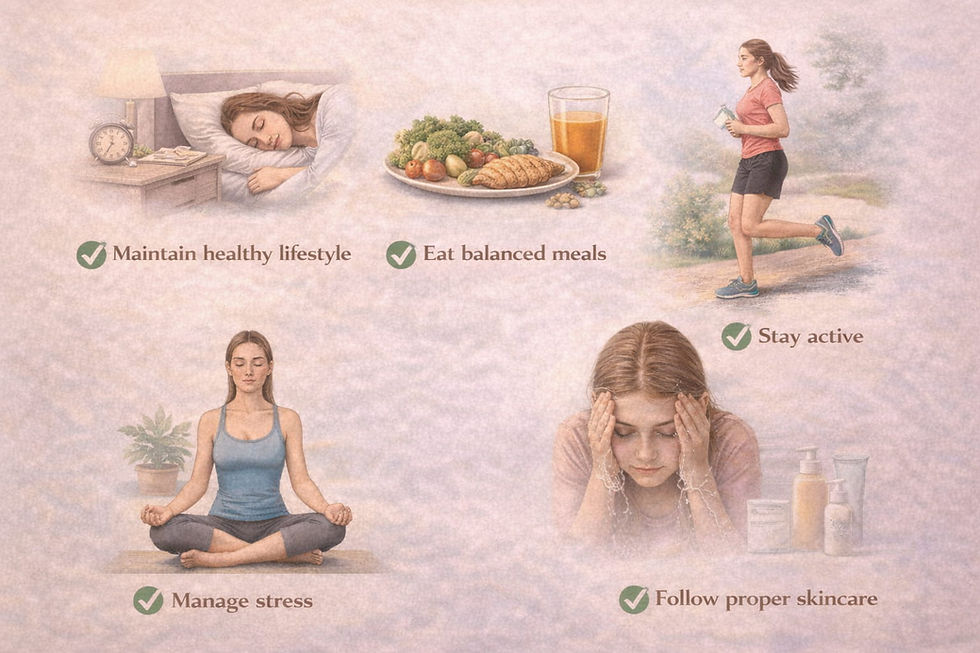
Maintain healthy lifestyle
Eat balanced meals
Stay active
Manage stress
Follow proper skincare
When to See a Doctor
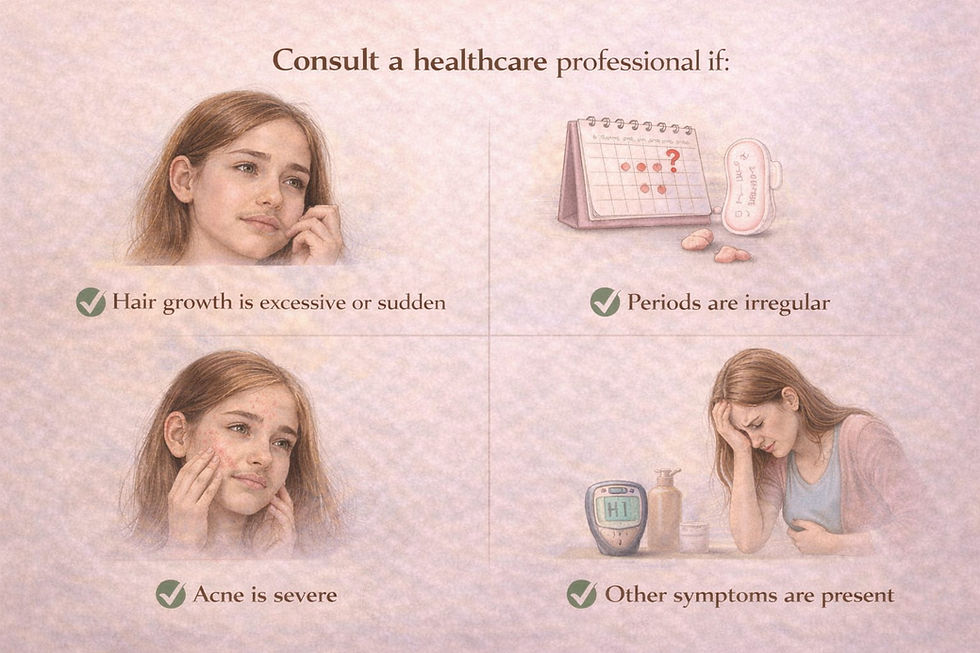
Consult a healthcare professional if:
Hair growth is excessive or sudden
Periods are irregular
Acne is severe
Other symptoms are present
Frequently Asked Questions (FAQs)
1. Is facial hair normal in teen girls?
Yes, mild facial hair such as fine, soft “peach fuzz” is completely normal during teenage years. However, if the hair becomes thick, dark, and grows in areas like the chin or upper lip, it may indicate a condition like Hirsutism.
2. What causes facial hair growth in teenage girls?
The most common cause is hormonal changes during puberty. Other factors include genetics, lifestyle habits, and conditions such as Polycystic Ovary Syndrome, which can increase androgen levels.
3. At what age does facial hair start in girls?
Facial hair can begin appearing during puberty, usually between ages 11 and 16, when hormone levels start to change and influence hair growth patterns.
4. Can PCOS develop during teenage years?
Yes, PCOS can develop during adolescence. It may cause symptoms such as irregular periods, acne, weight gain, and increased facial or body hair growth.
5. Can facial hair in teens be reduced naturally?
Yes, natural approaches like a balanced diet, regular exercise, stress management, and remedies such as turmeric or spearmint tea can help reduce hair growth gradually.
6. Is it safe for teen girls to remove facial hair?
Yes, methods like threading, waxing, and shaving are generally safe when done properly. However, it is important to follow hygiene practices to avoid skin irritation.
7. Does shaving facial hair make it grow thicker?
No, shaving does not increase the thickness or growth rate of hair. It may feel slightly coarse when it grows back, but this is only temporary.
8. When should a teen girl see a doctor for facial hair?
Medical advice should be sought if hair growth is excessive, sudden, or accompanied by symptoms like irregular periods, severe acne, or weight gain.
9. What foods help control facial hair growth?
Foods that support hormonal balance include leafy vegetables, whole grains, nuts, seeds, and lean proteins. Reducing sugary and processed foods can also help.
10. Can stress increase facial hair growth in teens?
Yes, chronic stress can affect hormone levels, especially cortisol, which may indirectly increase androgen activity and contribute to facial hair growth.
Conclusion
The teenage years are a powerful phase of growth, change, and self-discovery. Your body is evolving, your hormones are adjusting, and everything you experience—including facial hair growth—is simply a part of this natural journey.
This is not something to feel embarrassed about. It is not a flaw. It is your body communicating and adapting.
When you begin to understand the root causes—whether it’s hormones, genetics, or lifestyle—you take back control with confidence. Simple steps like balanced nutrition, regular exercise, stress management, and natural remedies can make a meaningful difference over time. And when needed, medical guidance ensures that everything stays on the right track.
Just as important as physical care is emotional strength. In a world full of comparisons and unrealistic beauty standards, remember this—your value is not defined by appearance. Confidence grows when you understand yourself, accept yourself, and take care of yourself.
So stand tall, smile confidently, and remind yourself every day:
👉 You are strong.
👉 You are capable.
👉 You are absolutely good just the way you are.
Facial hair growth is not permanent for many, and even when it persists, it is completely manageable with patience and consistency.
Call to Action (CTA)
Your confidence and well-being start with small, consistent actions. You don’t need to change everything overnight—just begin.
🌿 Start Today:
Understand your body — Notice changes in hair growth, skin, and menstrual cycles
Build healthy habits — Eat balanced meals, stay active, and maintain proper sleep
Follow natural solutions consistently — Simple remedies work best with patience
Manage stress wisely — Practice yoga, meditation, or deep breathing
Speak openly — Talk to a trusted adult or consult a doctor when needed
💛 A Message for You
You are not facing a problem—you are learning about your body.
Take it step by step. Stay calm. Stay confident.
And always remember:
👉 You are doing great.
👉 You are growing beautifully—inside and out.
👨👩👧 For Parents & Guardians
Your support matters more than anything. Listen without judgment, guide with patience, and reassure with love. Creating a safe and understanding space can shape a teen’s confidence for life.
Disclaimer
This content is for informational purposes only and not a substitute for professional medical advice. Conditions such as Hirsutism and Polycystic Ovary Syndrome require proper evaluation by a qualified healthcare provider. Natural remedies mentioned may support well-being but do not guarantee results. Always consult a professional before making health or treatment decisions.
📚References
Ibáñez, L., Oberfield, S. E., Witchel, S., et al. (2020).An international consortium update: Pathophysiology, diagnosis, and treatment of PCOS in adolescence. Hormone Research in Paediatrics, 93(4), 193–210.
Peña, A. S., Witchel, S. F., Hoeger, K. M., et al. (2020).Adolescent polycystic ovary syndrome according to international evidence-based guidelines. BMC Medicine, 18(1), 72.https://doi.org/10.1186/s12916-020-01516-x
Teede, H. J., Misso, M. L., Costello, M. F., et al. (2018, widely cited in recent updates).
International evidence-based guideline for the assessment and management of PCOS. Human Reproduction, 33(9), 1602–1618.https://doi.org/10.1093/humrep/dey256
Rosenfield, R. L., & Ehrmann, D. A. (2016, still cited in 2020–2025 literature).
The pathogenesis of PCOS: The hypothesis of ovarian hyperandrogenism. Endocrine Reviews, 37(5), 467–520.https://doi.org/10.1210/er.2015-1104
Escobar-Morreale, H. F. (2018, foundational but still current).Polycystic ovary syndrome: Definition, aetiology, diagnosis and treatment. Nature Reviews Endocrinology, 14(5), 270–284.https://doi.org/10.1038/nrendo.2018.24
Martin, K. A., Anderson, R. R., Chang, R. J., et al. (2018).Evaluation and treatment of hirsutism in premenopausal women. Journal of Clinical Endocrinology & Metabolism, 103(4), 1233–1257.https://doi.org/10.1210/jc.2018-00241
Yildiz, B. O. (2021).Approach to the patient: Diagnosis of hyperandrogenism. Journal of Clinical Endocrinology & Metabolism, 106(3), 857–871.https://doi.org/10.1210/clinem/dgaa1036
Goodarzi, M. O., Dumesic, D. A., Chazenbalk, G., & Azziz, R. (2011, still cited in recent studies).Polycystic ovary syndrome: Etiology, pathogenesis and diagnosis. Nature Reviews Endocrinology, 7(4), 219–231.https://doi.org/10.1038/nrendo.2010.217
Legro, R. S., Arslanian, S. A., Ehrmann, D. A., et al. (2013, guideline reference still cited in 2020s).Diagnosis and treatment of PCOS: Endocrine Society guideline. Journal of Clinical Endocrinology & Metabolism, 98(12), 4565–4592. https://doi.org/10.1210/jc.2013-2350
Moran, L. J., Ko, H., Misso, M., et al. (2019).Dietary composition in the treatment of PCOS: A systematic review. Journal of Clinical Endocrinology & Metabolism, 104(5), 1950–1963.
Lim, S. S., Hutchison, S. K., Van Ryswyk, E., et al. (2019).Lifestyle changes in women with PCOS. Cochrane Database of Systematic Reviews.
Grant, P. (2010, still cited in recent herbal studies). Spearmint herbal tea has anti-androgen effects in women with hirsutism. Phytotherapy Research, 24(2), 186–188.https://doi.org/10.1002/ptr.2900
Pasquali, R., Stener-Victorin, E., Yildiz, B. O., et al. (2016, still widely cited).
PCOS: Pathophysiology and management. Nature Reviews Disease Primers, 2, 16057.
Azziz, R., Carmina, E., Dewailly, D., et al. (2009, still core reference).The androgen excess and PCOS society criteria for PCOS. Journal of Clinical Endocrinology & Metabolism, 94(2), 456–488.https://doi.org/10.1210/jc.2008-1214

Comments