

Our Kitchen as a Pharmacy Traditional Knowledge for Contemporary Health
Updated: Mar 16
Healing from the Kitchen
Ancient Wisdom for Modern Health

Introduction: Revealing the Restorative Potential of the Kitchen
Our ancestors used food as medicine for centuries, frequently using their kitchen shelves for healing instead of pharmacies.
Convenience foods, artificial drugs, and an abundance of information are all around us today, but we also face a greater number of lifestyle diseases than in the past. It's time to go back to the fundamentals. The kitchen serves as a centre for wellness in addition to being a place for cooking. Every natural ingredient in your kitchen, from flavourful basil leaves to unassuming garlic cloves, can support longevity, healing, and preventive health.
The Undiscovered Gem: Genuine Health Benefits from Cooking
The Importance of the Kitchen for Health Immediate Accessibility
The majority of homes already have the supplies and equipment required for healing
Minerals, vitamins, and antioxidants abound in natural kitchen staples.
Minimal Side Effects
These treatments interact with the body in a gentler manner than synthetic drugs
Preventive in nature
Chronic conditions can be less likely to occur with regular use.
Beyond Spices
Medicinal Items Often Found in Kitchens.
In addition to spices, many other ingredients have medicinal uses

Ingredients | Health Benefits | Typical Uses |
🍋 Lemon | High in Vitamin C | Teas, marinades, and lemon water |
🍯 Honey | Antimicrobial, soothes throat, boost energy | Natural sweetener, cough remedy |
🍎 Apple Cider Venegar | Supports metabolism, balances pH | Diluted in water or Salad dressings |
🥥 Coconut Oil | Antiviral, nourishes, skin and health | Cooking oil, topical use |
🧂 Rock/Pink Salt | Rich in minerals, balances elecrolytes | Seasoning, nasal rinse |
🧅 Onions | Anti-inflammatory, supports immunity | Raw in salads, cooking base |
🌰 Mustard Oil | Aids digestion, antimicrobial | Used in tampering Sauces |
🥣 Yoghurt | Promotes gut health, provides probiotics | Smoothies, fermented dishes |
💡 Natural wellness is now genuinely accessible thanks to these products, which aren't uncommon or exotic—in kitchens all over the world.
The Health Benefits of the Spices in Your Kitchen:
The following are a few of the most potent medicinal herbs and spices that are commonly found in kitchens:
1. Curcuma longa, or turmeric
Key Benefits:
Anti-inflammatory
Use: Include ½ tsp in smoothies, golden milk, soups, and stews.
Ideal For:
Age-related illnesses
Inflammatory conditions
Arthritis.
🔸 Dosage
Men: ½ tsp/day – morning or night (with milk/food)
Women: ¼–½ tsp/day – morning
Elders: ¼ tsp/day – night (with warm milk)
2. Zingiber officinale, or ginger
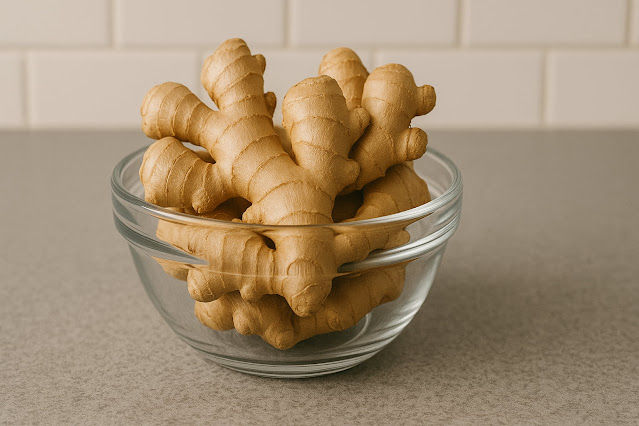
Key Benefits:
Improves immunity
Helps with digestion
Reduces inflammation
Prevents nausea.
Use: Grated into stir-fries, added to tea, or used as a spice powder.
Ideal For:
Digestive problems
Motion sickness
Colds and flu.
🔸 Dosage
Men: 1–2 g/day – morning or after meals
Women: 1 g/day – morning
Elders: 0.5–1 g/day – after food
3. 🔸Allium sativum, or garlic

Key Benefits:
Antibacterial
➡️Use: Lightly cooked in dishes or crushed raw in salads.
Ideal For:
Immune defence
Cholesterol control
🔸 Dosage
Men: 1–2 cloves/day – morning (empty stomach best)
Women: 1 clove/day – morning
Elders: ½–1 clove/day – after breakfast
4. 🔸Cinnamon (Cinnamomum verum)
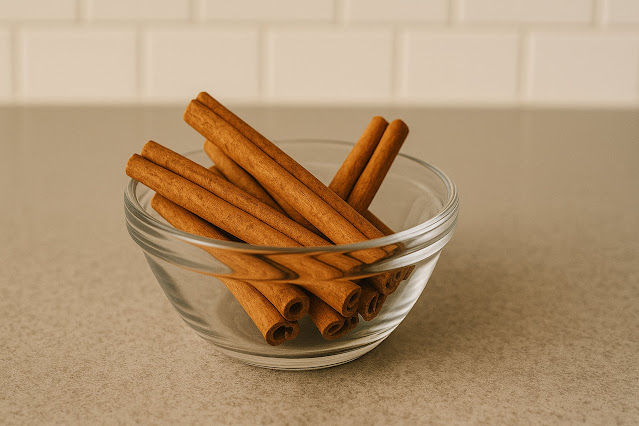
Principal Advantages:
Improves brain function
Regulates blood sugar
Antibacterial properties.
➡️Use: Include in tea, baked goods, smoothies and muesli.
Ideal For:
Metabolic syndrome
Type 2 diabetes.
🔸 Dosage
Men: ½ tsp/day – morning
Women: ¼–½ tsp/day – morning
Elders: ¼ tsp/day – morning (not daily if sensitive)
5. 🔸Piper nigrum, or black pepper

Important advantages include:
🥗improved nutrient absorption
Anti-inflammatory properties
Digestive stimulation.
➡️Use: Season food with freshly ground.
Ideal For:
Joint pain
Gut health
🔸 Dosage
Men: ¼ tsp/day – with meals
Women: A pinch–¼ tsp/day – with food
Elders: A pinch/day – with meals
6. 🔸Trigonella foenum-graecum, or fenugreek

Principal Advantages:
Increases libido
Lowers blood sugar
Facilitates lactation.
➡️Use: Soak the seeds overnight and drink the water, or toast them for curries.
Ideal For:
Blood sugar regulation
Hormonal balance.
🔸 Dosage
Men: 1 tsp soaked seeds – morning
Women: ½–1 tsp soaked – morning
Elders: ½ tsp soaked – morning
7. Coriander (Coriandrum sativum)
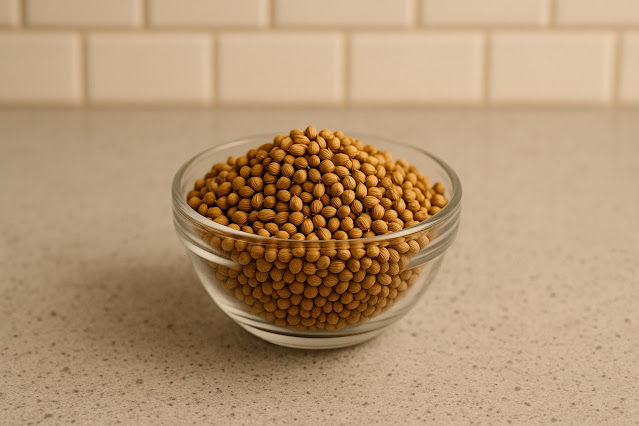
Principal Advantages:
Enhances digestion
Detoxifies heavy metals
Antioxidant properties.
➡️Use: In cooking, use ground seeds or leaves (cilantro).
Ideal For:
Supporting detoxification
Digestive well-being.
🔸 Dosage
Men: 1 tsp seeds/day – after meals
Women: ½–1 tsp/day – after meals
Elders: ½ tsp/day – after meals
8.🔸Elettaria cardamomum, or cardamom

Principal Advantages:
Supports liver function
Aids in digestion
Freshens breath.
➡️Use: Include in rice dishes, tea, and desserts.
Ideal For: Gas, bloating, and foul breath.
🔸 Dosage
Men: 1–2 pods/day – after meals
Women: 1 pod/day – after meals
Elders: 1 pod/day – after meals
9. 🔸Syzygium aromaticum, or clove
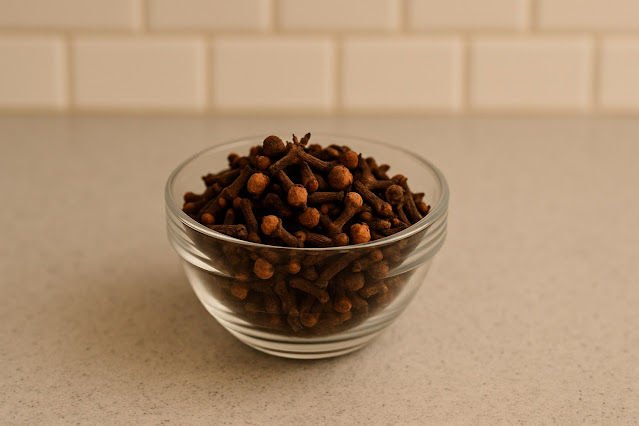
Principal Advantages:
Reduces inflammation
Eases dental discomfort
Strengthens immunity.
➡️Use: Ground in curries or desserts, whole in teas.
Ideal For:
Pain management
Oral health.
🔸 Dosage
Men: 1–2 cloves/day – after food
Women: 1 clove/day – after food
Elders: 1 clove/day – as needed
10. 🔸Tulsi, or basil (Ocimum basilicum)
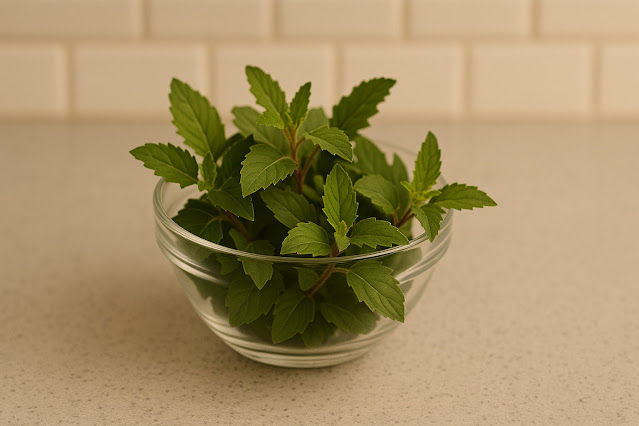
Principal Advantages:
Adaptogen helps with respiratory support
Mental health.
➡️Use: Steeped in hot water for tea or fresh in salads.
Ideal For:
Reducing stress
Preventing colds and the flu.
🔸 Dosage
Men: 5–7 leaves/day – morning
Women: 4–6 leaves/day – morning
Elders: 3–5 leaves/day – morning (as tea)
🔄Rethinking Our Perceptions of Food and Medicine: Mindset vs. Reality
"Natural remedies are antiquated and slow. "Root causes are frequently addressed by natural remedies. Although it may take some time
💡healing is gentle and long-lasting.
"It is ineffective if it is not from a pharmacy. "Natural plant compounds are the source of many pharmaceuticals.
💡The healing blueprint is often found in nature.
"Ordering food is easier; cooking takes too much time. "Purchasing real food is an investment in your well-being.
💡Simple meals can be quicker, easier to prepare, and more affordable.
"Healthy means dieting or eating salads. " 💡Maintaining your health entails providing your body with a balanced diet, probiotics, warm meals, and spices.
💡Healing is a process, but our contemporary way of life exalts speed.
Similar to how a plant requires time to grow, your body requires the proper conditions and time to heal, many of which can be found in your kitchen.
🍵How to Make the Most Healing Out of Kitchen Ingredients:
🥛Milk with a golden hue

Add 🍯 honey, ⚫black pepper, and 🟡turmeric to warm milk
➡️supports inflammation, sleep, and immunity
Ginger tea
Made with warm water, fresh ginger, lemon, and honey
➡️ relieves stress, sore throats, and digestion
Make a detox water
By soaking coriander, cumin, and fennel seeds overnight, then drinking it the next day, helps with metabolism.
Boil the cloves and breathe in the steam
➡️ Reduces traffic.
Cinnamon water
Promotes fat metabolism
Blood sugar control.
➡️ Advice:
Incorporate several therapeutic spices into your regular meals
These combinations are a natural part of Asian, Mediterranean, and Indian cuisines.
Using Kitchen Ingredients to Promote Gender-Specific Healing:
👨⚕️Men's Health and Home Curatives:
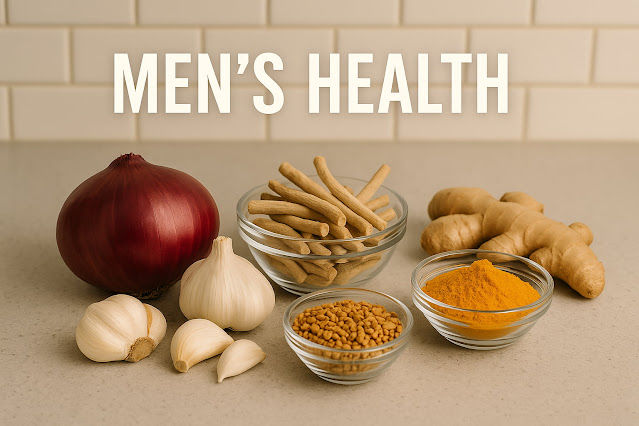
Heart Health
Onions and garlic enhance circulation and lower cholesterol
Hormonal Balance
Ashwagandha (if available) and fenugreek help to support testosterone
Fitness Recuperation
Turmeric and ginger lessen weariness and inflammation in the muscles.
👩 Kitchen Remedies and Women's Health:
Hormonal Support
Fenugreek and cinnamon aid in menstrual balance and PMS
Skin & Hair
Yoghurt, coconut oil, and amla (Indian gooseberry) promote inherent beauty
Bone Health
Leafy greens and sesame seeds are high in calcium.
👶Children's Immunity and Wellbeing:
Natural Immunity
Dates, honey with tulsi (basil), and turmeric milk
Fennel tea and cumin water stimulate the appetite
Almonds, soaked raisins, and saffron milk (in moderation) are good for the brain and memory.
⚠️ Caution: When using herbs with infants and toddlers, always make sure the amounts are age-appropriate and get advice from a paediatrician.
🛍️ International Purchase Locations:
Trustworthy Web Sites
Amazon (International)
(US, UAE, India) iHerb
Vitacost (Canada, US)
Whole Foods Market (UK, US)
Kibsons or Lulu Hypermarket (UAE)
Purchasing Advice for Superior Quality
✅ Seek out
"Non-GMO" or "Certified Organic" labels
Packaging for glass jars (to preserve potency)
Date of recent packaging (spices weaken with time)
No additional preservatives or fillers
🚫 Steer clear of
Bins in bulk without labels
Packs that have faded or been exposed to sunlight
Products containing artificial fragrances or colourants.
🧬 Scientific Support:
1. The Anti-Inflammatory Properties of Turmeric-2022
Title: "Curcumin: A Natural Anti-Inflammatory Agent"
Journal: Molecules Journal
Result: Curcumin controls the pathways involved in inflammation.
DOI: 10.3390/molecules27093092
Heart Health and Garlic-2023
Title: "Effects of Garlic on Cardiovascular Risk Factors" is the title.
Journal: Nutrients Journal
Result: Garlic lowers blood pressure and cholesterol.
DOI: 10.3390/nu15040932
3. The Effect of Cinnamon on Blood Sugar-2022
Title: "Cinnamon Intake Lowers Fasting Glucose" is the title.
Journal: Medicinal Food Journal
Result: Cinnamon lowers diabetics' fasting blood sugar levels.
DOI: 10.1089/jmf.2021.0082
4. Ginger and the Immune System-2021
Title: "Ginger as an Immunonutrient" is the title.
Journal: Frontiers in Pharmacology
Result: Encourages the immune system's anti-inflammatory response.
DOI: 10.3389/fphar.2021.647893
Gut Health and Yoghurt-2023
Title: "Probiotic Yoghurt Enhances Digestive Health"
Journal: Nutrients Journal
Result: Increased good gut flora is the outcome
DOI: 10.3390/nu15051020
💬Strong Sayings That Support the Wisdom of Kitchen Healing:
“Every time you eat or drink, you are either feeding disease or fighting it.” – Heather Morgan
“The food you eat can either be the safest and most powerful form of medicine, or the slowest form of poison.” – Ann Wigmore
“Eat to live, don’t live to eat.” – Socrates“Nature provides the cure—your kitchen delivers it daily.” – MJPr
“If you don’t make time for your wellness, you’ll be forced to make time for your illness.” – Joyce Sunada
🏡 How to Make a Healing Kitchen: Useful Advice:
Stock up on fresh spices and herbs
Select unprocessed ingredients instead of processed ones
At least three times a week, prepare meals from scratch
Include a small ritual in your everyday routine, such as drinking golden milk or herbal tea
Teach your family about health by bringing up food.
⚠️ Disclaimer:
This information is meant only as a guide and should not be used in place of expert medical advice. Before beginning any home remedies, especially for serious or chronic conditions, always get your doctor's approval.
💡 In conclusion, your first pharmacy was in your kitchen
Your kitchen serves as more than just a place to prepare meals; it is also your haven, your first line of defence, and your most reliable source of healing. Your pantry contains more potent ingredients than most people realise, from lowering inflammation to promoting heart health, from enhancing immunity to enhancing sleep.
The solution is already within your grasp, whether it's cinnamon for blood sugar, ginger for digestion, or turmeric for pain.
Make your kitchen a place of worship. Plan your meals. Take a holistic approach to your health.
💬 Final Thoughts: Reclaiming Food's Healing Potential:
Your kitchen serves as your first pharmacy, a haven of solace, knowledge, and health. Each ingredient is a chapter of ancestral healing that is just waiting to be opened, whether it's turmeric for pain or cinnamon for blood sugar.
Make every meal a ritual for healing. Make every spice a resilience tool. Because what you eat heals you!
❓10 Common Questions:
1. Can I use homemade remedies in place of medication?
No, but they can help you get better. Speak with your physician.
2. When can I expect to see results?
Natural treatments take time to start working. Weeks, not days, may pass before effects appear.
3. Do spices have any negative effects?
The majority of kitchen ingredients are safe when used sparingly.
Excessive dosages can be problematic.
4. Can I use these remedies on kids?
Only with a doctor's advice
Sort the amounts according to age.
5. What if I'm allergic?
⚠️ Always patch-test
Keep an eye on reactions.
6. Is organic always preferable?
✅Yes!
It typically translates into improved nutritional value and less chemical residue.
7. Do I have to take everything every day?
No!
It is sufficient to regularly eat a varied diet that includes a few key ingredients.
8. Can be used during pregnancy?
Only certain ones (like turmeric in small amounts) Consult your OB-GYN at all times.
9. When is the best time to use home remedies?
Detox drinks in the morning, and 🛏️ soothing teas or golden milk at night.
10. Do these help with immunity?
Yes!
Spices like garlic, ginger, and tulsi have been shown to strengthen immunity.
📚 References
Hewlings, S. J., & Kalman, D. S. (2017). Curcumin: A review of its effects on human health. Foods, 6(10), 92.https://doi.org/10.3390/foods6100092
Gupta, S. C., Patchva, S., & Aggarwal, B. B. (2013). Therapeutic roles of curcumin: Lessons learned from clinical trials. The AAPS Journal, 15(1), 195–218.https://doi.org/10.1208/s12248-012-9432-8
Ried, K., Toben, C., & Fakler, P. (2013). Effect of garlic on serum lipids: An updated meta-analysis. Nutrition Reviews, 71(5), 282–299.https://doi.org/10.1111/nure.12012
Shahrajabian, M. H., Sun, W., & Cheng, Q. (2019). A review of ginger (Zingiber officinale) and its health benefits. Food Science & Nutrition, 7(1), 96–108.https://doi.org/10.1002/fsn3.807
Ranasinghe, P., et al. (2013). Medicinal properties of cinnamon (Cinnamomum zeylanicum): A systematic review. BMC Complementary and Alternative Medicine, 13, 275.https://doi.org/10.1186/1472-6882-13-275
Kaefer, C. M., & Milner, J. A. (2008). The role of herbs and spices in cancer prevention. The Journal of Nutritional Biochemistry, 19(6), 347–361.https://doi.org/10.1016/j.jnutbio.2007.11.003
Marco, M. L., et al. (2017). Health benefits of fermented foods: Microbiota and beyond. Current Opinion in Biotechnology, 44, 94–102.https://doi.org/10.1016/j.copbio.2016.11.010
Ganesan, K., & Xu, B. (2017). Polyphenol-rich spices and their effects on metabolic health. Critical Reviews in Food Science and Nutrition, 57(5), 1057–1071.https://doi.org/10.1080/10408398.2014.951600
Sharma, P., et al. (2020). Tulsi (Ocimum sanctum): A review of phytochemistry and pharmacological properties. Journal of Herbal Medicine, 23, 100364.https://doi.org/10.1016/j.hermed.2020.100364
Cleveland, J., et al. (2001). Bacteriocins: Safe natural antimicrobials for food preservation. International Journal of Food Microbiology, 71(1), 1–20.https://doi.org/10.1016/S0168-1605(01)00560-8


Comments