

What Is Biological Age vs Chronological Age?
Updated: Mar 16
The Science of True Ageing and How to Slow It Naturally

🌿 Introduction: Are You Really the Age You Think You Are?
You may be 45 years old according to your birth certificate — but your cells might be functioning like those of a 35-year-old… or a 60-year-old.
That difference lies in the concept of biological age.
For decades, ageing was viewed simply as the passage of time. But modern longevity science shows that ageing is not just about years lived — it is about cellular damage, repair capacity, metabolic efficiency, and resilience.
Two people born on the same day can age at completely different rates depending on:
Diet
Sleep quality
Stress exposure
Physical activity
Inflammation levels
Blood sugar control
Hormonal balance
Understanding the difference between chronological age and biological age is the foundation of anti-ageing and longevity science.

Chronological age refers to:
The number of years, months, and days since birth.
It is:
Fixed
Linear
Irreversible
Legally and socially significant
However, chronological age tells us nothing about:
Cardiovascular fitness
Muscle strength
Cognitive function
Hormonal status
Inflammatory burden
Cellular damage
It measures time — not health.
Two 50-year-olds can differ dramatically:
One runs marathons and has low inflammation
The other has metabolic syndrome and chronic fatigue
Chronological age cannot distinguish between them.
Biological age reflects

How well your body is functioning compared to your chronological peers.
It is influenced by:
Cellular repair efficiency
DNA stability
Telomere length
Oxidative stress
Chronic inflammation
Mitochondrial health
Epigenetic modifications
Biological age can be:
Accelerated (older than your actual age)
Slowed
Stabilized
In some cases, modestly reversed
Unlike chronological age, biological age is modifiable.
🔬 The Hallmarks of Ageing
Modern research identifies key “hallmarks” of ageing. These include:
Genomic instability
Telomere shortening
Epigenetic alterations
Loss of proteostasis
Mitochondrial dysfunction
Cellular senescence
Stem cell exhaustion
Altered intercellular communication
Each contributes to biological ageing.
Let’s explore the most important ones.
🧬Telomeres are protective DNA sequences
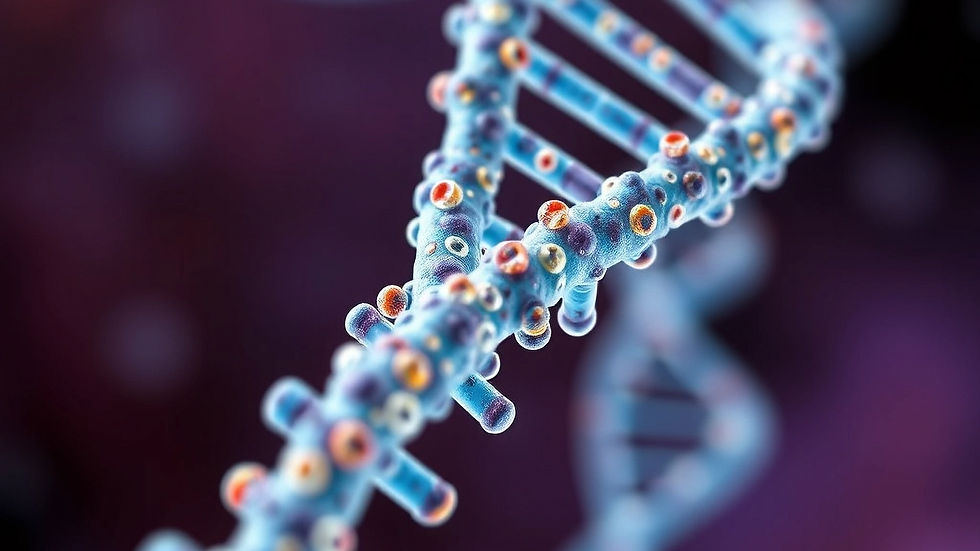
Telomeres are protective DNA sequences located at the ends of chromosomes.
Every time a cell divides:
Telomeres shorten
When they become too short, cells stop dividing
This leads to cellular ageing
Shorter telomeres are associated with:
Cardiovascular disease
Diabetes
Cancer
Reduced lifespan
Lifestyle factors such as chronic stress, smoking, obesity, and poor diet accelerate telomere shortening.
🧪 Epigenetics: Your Age Written in DNA Marks

Epigenetic changes refer to chemical modifications to DNA that affect gene expression without changing the genetic code itself.
DNA methylation patterns can be used to estimate biological age — this is known as the epigenetic clock.
Research shows:
Epigenetic age acceleration predicts mortality risk
Lifestyle modifications can slow epigenetic ageing
This is one of the strongest scientific indicators of biological age.
🔥 Oxidative Stress: The Silent Accelerator

Oxidative stress occurs when free radicals overwhelm antioxidant defenses.
Free radicals:
Damage DNA
Damage proteins
Damage lipids
Disrupt mitochondria
Chronic oxidative stress contributes to:
Wrinkling
Atherosclerosis
Neurodegeneration
Insulin resistance
Antioxidant-rich diets (berries, turmeric, green tea) help reduce oxidative stress.
🔥 Chronic Inflammation (“Inflammaging”)

Low-grade, chronic inflammation increases with age.
This process — called “inflammaging” — is linked to:
Alzheimer’s disease
Type 2 diabetes
Cardiovascular disease
Sarcopenia
Key inflammatory markers:
C-reactive protein (CRP)
IL-6
TNF-alpha
Reducing inflammation is central to slowing biological ageing.
⚡ Mitochondrial Health: The Energy Factor

Mitochondria are the energy-producing organelles in cells.
With age:
Mitochondrial efficiency declines
Energy production decreases
Reactive oxygen species increase
Mitochondrial dysfunction contributes to:
Fatigue
Muscle loss
Cognitive decline
Metabolic disorders
Strength training, fasting, and phytonutrients support mitochondrial health.
🩸 Blood Sugar & Metabolic Ageing

Insulin resistance accelerates biological ageing.
High glucose levels:
Damage blood vessels
Glycate collagen (AGEs formation)
Increase oxidative stress
Promote inflammation
Stable blood sugar improves:
Skin quality
Brain function
Cardiovascular health
Longevity potential
Metabolic flexibility is key.
🧠 Brain Ageing & Cognitive Decline

Biological ageing also affects the brain.
Accelerated brain ageing is linked to:
Poor sleep
Chronic stress
Inflammation
Vascular dysfunction
Protective factors:
Exercise
Omega-3 fatty acids
Polyphenols
Quality sleep
Social connection
Cognitive resilience reflects biological age.
💪 Muscle Mass & Longevity

After age 30:
Muscle mass declines 3–8% per decade
Sarcopenia increases mortality risk
Muscle is a metabolic organ.
Maintaining muscle mass:
Improves insulin sensitivity
Enhances mitochondrial function
Reduces inflammation
Strength training is one of the most powerful anti-ageing tools.
🌙 Sleep & Cellular Repair

During deep sleep:
Growth hormone is released
Cellular repair occurs
Glymphatic system clears brain toxins
Chronic sleep deprivation accelerates biological ageing.
7–8 hours of quality sleep is essential.
🧘 Stress & Hormonal Ageing

Chronic stress elevates cortisol.
High cortisol:
Damages hippocampus
Increases abdominal fat
Suppresses immune function
Shortens telomeres
Stress management is longevity medicine.
🥗 Can Biological Age Be Reversed?
Research suggests lifestyle interventions can reduce epigenetic age modestly.
Strategies include:
Anti-inflammatory diet
Time-restricted eating
Resistance training
Phytonutrient-rich foods
Stress reduction
Gut microbiome optimization
Longevity is not about immortality.It is about compressing disease into the shortest possible period.
👨 Men vs 👩 Women: Biological Age Differences
Men:
Earlier testosterone decline
Higher cardiovascular risk
Women:
Estrogen decline affects collagen and bone
Post-menopausal inflammation rises
Hormonal balance plays a critical role in ageing patterns.
📊 Measuring Biological Age
Tools include:
Epigenetic DNA methylation tests
Telomere assays
VO₂ max testing
Grip strength
Inflammatory markers
HbA1c
Lipid panels
Functional markers often reflect biological age more accurately than calendar years.
🌟 Healthspan vs Lifespan
Lifespan = Total years livedHealthspan = Years lived without chronic disease
The goal of anti-ageing science is to maximize healthspan.
Living longer is meaningless without vitality.
🧭 Practical Action Plan to Lower Biological Age
✔ Strength train 3x/week
✔ Walk daily
✔ Maintain stable blood sugar
✔ Consume antioxidant-rich foods
✔ Prioritize sleep
✔ Reduce ultra-processed foods
✔ Manage stress
✔ Support gut health
✔ Maintain social connections
✔ Avoid smoking
Consistency matters more than perfection.
🌿 Conclusion: Your Age Is More Flexible Than You Think

Chronological age moves forward with time.
Biological age responds to behavior.
Longevity science shows that ageing is not passive — it is influenced daily by:
Nutrition
Movement
Stress
Sleep
Environment
You cannot stop time. But you can influence how gracefully your body moves through it.
Biological age is the true measure of vitality.
📢 Call to Action (CTA)
Take Control of Your Biological Age Today
Ageing is not just a number—it is a reflection of how well your body is functioning at the cellular level. While you cannot stop the passage of time, you can influence how your body ages through daily choices. Prioritize nutrient-rich foods, consistent physical activity, restorative sleep, stress management, and metabolic health.
Small lifestyle changes practiced consistently can significantly slow biological ageing and extend your healthspan. Start today—because the habits you build now will determine how vibrant and resilient your future self will be.
Invest in your health today so that the years ahead are not only longer, but stronger, sharper, and more fulfilling.
❓ Frequently Asked Questions (FAQs)
1️⃣ What is the difference between biological age and chronological age?
Chronological age refers to the number of years a person has lived since birth. Biological age reflects how well the body’s systems are functioning compared with others of the same chronological age. Biological age is influenced by lifestyle, genetics, environment, and metabolic health.
2️⃣ Can biological age really be reversed?
In some cases, research suggests biological age markers such as epigenetic clocks can improve through lifestyle interventions. Healthy diet, exercise, stress reduction, and improved sleep may help slow or modestly reverse certain ageing processes.
3️⃣ What factors accelerate biological ageing?
Several lifestyle and environmental factors can speed up biological ageing, including chronic stress, poor sleep, smoking, sedentary behavior, high sugar intake, obesity, chronic inflammation, and exposure to environmental toxins.
4️⃣ How does oxidative stress contribute to ageing?
Oxidative stress occurs when free radicals damage cellular components such as DNA, proteins, and lipids. This damage accumulates over time and contributes to age-related diseases, tissue degeneration, and reduced cellular repair capacity.
5️⃣ Why are telomeres important in ageing?
Telomeres are protective caps at the ends of chromosomes. Each time a cell divides, telomeres shorten slightly. When they become critically short, cells stop dividing or die, which contributes to ageing and disease development.
6️⃣ Does exercise slow biological ageing?
Yes. Regular physical activity, particularly resistance training and aerobic exercise, improves mitochondrial health, reduces inflammation, enhances insulin sensitivity, and helps preserve muscle mass—all of which support healthy ageing.
7️⃣ How does sleep influence biological ageing?
During deep sleep, the body performs essential repair processes, including hormone regulation, cellular restoration, and brain detoxification through the glymphatic system. Chronic sleep deprivation accelerates inflammation and metabolic dysfunction.
8️⃣ Can diet affect biological age?
Yes. Diets rich in antioxidants, fiber, healthy fats, and phytonutrients support cellular repair and reduce inflammation. Foods such as berries, leafy greens, nuts, fatty fish, and whole grains help protect against accelerated ageing.
9️⃣ Are men and women affected differently by biological ageing?
Yes. Hormonal differences influence ageing patterns. Men often experience earlier cardiovascular risks due to declining testosterone, while women experience hormonal changes after menopause that affect bone density, skin health, and metabolic balance.
🔟 What are practical ways to slow ageing naturally?
Evidence-based strategies include maintaining regular exercise, eating a nutrient-dense diet, managing stress, sleeping 7–8 hours per night, maintaining healthy blood sugar levels, avoiding smoking, and fostering strong social connections.
📚 References
López-Otín, C., Blasco, M. A., Partridge, L., Serrano, M., & Kroemer, G. (2013). The hallmarks of aging. Cell, 153(6), 1194–1217. https://doi.org/10.1016/j.cell.2013.05.039
Horvath, S. (2013). DNA methylation age of human tissues and cell types. Genome Biology, 14(10), R115. https://doi.org/10.1186/gb-2013-14-10-r115
Franceschi, C., & Campisi, J. (2014). Chronic inflammation (inflammaging) and its potential contribution to age-associated diseases. The Journals of Gerontology: Series A, 69(Suppl 1), S4–S9. https://doi.org/10.1093/gerona/glu057
Belsky, D. W., et al. (2015). Quantification of biological aging in young adults. Proceedings of the National Academy of Sciences, 112(30), E4104–E4110. https://doi.org/10.1073/pnas.1506264112
Kennedy, B. K., Berger, S. L., Brunet, A., et al. (2014). Geroscience: Linking aging to chronic disease. Cell, 159(4), 709–713. https://doi.org/10.1016/j.cell.2014.10.039
Blackburn, E. H., & Epel, E. S. (2017). Telomeres and adversity. Annual Review of Public Health, 38, 149–165. https://doi.org/10.1146/annurev-publhealth-031816-044457
Campisi, J., Kapahi, P., Lithgow, G. J., et al. (2019). From discoveries in ageing research to therapeutics for healthy ageing. Nature, 571(7764), 183–192. https://doi.org/10.1038/s41586-019-1365-2
Nilsson, M. I., Dobson, J. P., Greene, N. P., et al. (2019). Mitochondrial mechanisms of muscle aging. Physiology, 34(1), 56–66. https://doi.org/10.1152/physiol.00029.2018
Vaiserman, A., Krasnienkov, D., & Koliada, A. (2017). Lifestyle and epigenetic aging: A review. Aging and Disease, 8(6), 685–697. https://doi.org/10.14336/AD.2017.0728
Shadyab, A. H., & LaCroix, A. Z. (2015). Genetic factors associated with longevity: A review of recent findings. Nature Reviews Endocrinology, 11(6), 327–336. https://doi.org/10.1038/nrendo.2015.27


Comments