

Wrinkle Prevention Tips for Youthful Skin: A Comprehensive Guide
Updated: Apr 21

Introduction
Wrinkles are a natural part of aging, but premature wrinkles are often preventable. With advancements in dermatological science and a deeper understanding of skin physiology, maintaining youthful, resilient skin is more achievable than ever.
Skin aging is influenced by intrinsic (genetic and biological) and extrinsic (environmental and lifestyle) factors. While intrinsic aging is inevitable, extrinsic aging—caused by sun exposure, pollution, poor nutrition, and stress—can be significantly controlled.
This guide explores evidence-based wrinkle prevention strategies, combining dermatology, nutrition, and lifestyle science to help both men and women maintain youthful skin.
Understanding Skin Aging and Wrinkles
Structure of the Skin

The skin has three primary layers:
Epidermis: Outer protective layer
Dermis: Contains collagen, elastin, and connective tissue
Hypodermis: Fat layer providing cushioning
Wrinkles primarily form in the dermis due to structural degradation.
Types of Wrinkles

🌱 Fine Lines – Early Signs of Aging
Fine lines are the first visible indicators of skin aging. They are shallow, delicate lines that usually appear due to dehydration, sun exposure, and the early decline of collagen and elastin. Common areas include around the eyes, lips, and forehead. At this stage, the skin can still recover well with proper hydration, sun protection, and skincare.
😊 Dynamic Wrinkles – Caused by Facial Movements
Dynamic wrinkles develop from repeated facial expressions such as smiling, frowning, or squinting. These lines appear only during movement in the early stages because of continuous muscle activity beneath the skin. Over time, as skin elasticity decreases, these wrinkles can become more permanent.
🧬 Static Wrinkles – Visible Even at Rest
Static wrinkles are deeper and more established lines that remain visible even when the face is relaxed. They form due to long-term collagen breakdown, aging, and environmental damage like UV exposure. These wrinkles are commonly seen on the cheeks, forehead, and around the mouth.
⬇️ Gravitational Wrinkles – Due to Sagging
Gravitational wrinkles result from the natural loss of skin firmness and underlying fat, combined with the pull of gravity over time. This leads to sagging skin, especially around the jawline, cheeks, and neck. These wrinkles reflect structural aging rather than just surface changes.
Primary Causes of Wrinkles

1. Collagen and Elastin Breakdown
Collagen provides firmness, while elastin gives flexibility. Aging reduces their production.
2. Ultraviolet (UV) Radiation
Photoaging accounts for up to 80% of visible skin aging.
3. Oxidative Stress
Free radicals damage skin cells and accelerate aging.
4. Glycation
Sugar molecules bind to proteins, weakening collagen.
5. Lifestyle Factors
Smoking, alcohol, stress, and poor sleep accelerate aging.
Daily Skincare Routine for Wrinkle Prevention

Morning Routine
1. Gentle Cleanser
Maintains skin barrier integrity without stripping natural oils.
2. Antioxidant Serum (Vitamin C)
Neutralizes free radicals and boosts collagen synthesis.
3. Moisturizer
Maintains hydration and prevents fine lines.
4. Sunscreen (SPF 30–50)
The most critical anti-aging product.
Night Routine
1. Cleanser
Removes pollutants and makeup.
2. Retinoids
Stimulate collagen production and improve skin texture.
3. Peptides
Enhance skin repair and elasticity.
4. Moisturizer
Supports overnight regeneration.
Weekly Additions
Exfoliation (1–2 times/week)
Hydrating masks
Facial massage
Key Anti-Aging Ingredients Backed by Science

1. Retinoids
Increase collagen production and reduce wrinkles.
2. Vitamin C
Brightens skin and protects against UV damage.
3. Hyaluronic Acid
Improves hydration and skin plumpness.
4. Niacinamide
Enhances skin barrier and reduces fine lines.
5. Alpha Hydroxy Acids (AHAs)
Promote exfoliation and cell turnover.
Nutrition for Youthful Skin

1. Antioxidant-Rich Foods
Berries
Green tea
Leafy vegetables
2. Healthy Fats
Omega-3 fatty acids from fish, flaxseeds
3. Protein
Essential for collagen synthesis.
4. Hydration
Water maintains skin elasticity.
Foods to Avoid
Excess sugar (causes glycation)
Processed foods
Alcohol
Lifestyle Strategies for Wrinkle Prevention

1. Sun Protection
Daily sunscreen use significantly reduces aging.
2. Sleep
7–8 hours supports skin repair.
3. Stress Management
Reduces cortisol, which damages collagen.
4. Exercise
Improves blood circulation and skin health.
5. Avoid Smoking
Smoking accelerates wrinkle formation.
Natural Remedies and Home Care

1. Aloe Vera
Improves hydration and elasticity.
2. Honey
Acts as a natural humectant.
3. Coconut Oil
Provides deep moisturization.
4. Turmeric
Anti-inflammatory and antioxidant.
Gender-Specific Skin Aging Considerations
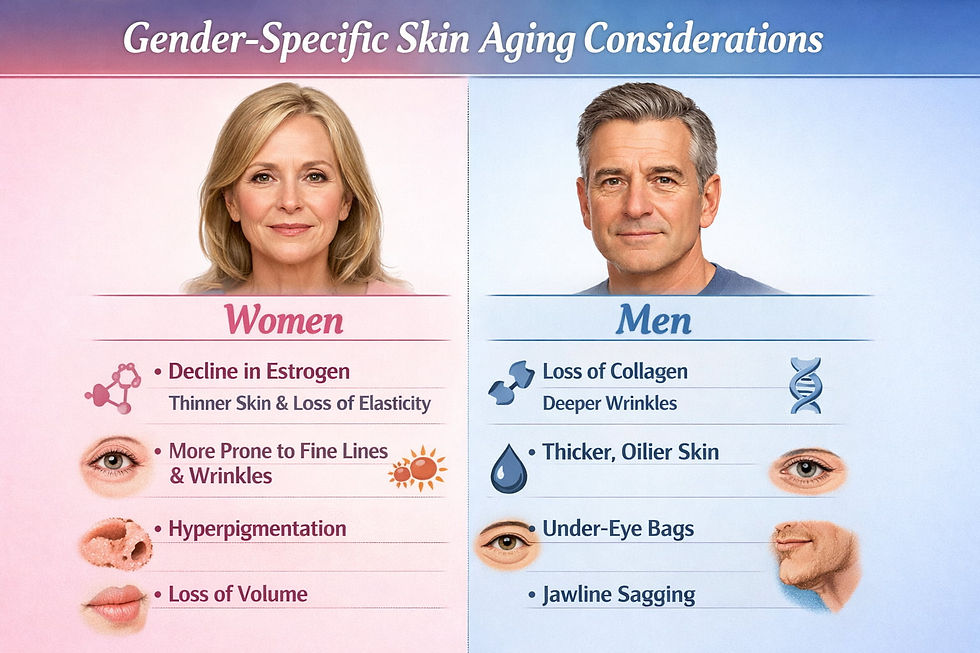
Men
Thicker skin but prone to delayed aging signs
Regular shaving impacts skin barrier
Women
Hormonal changes affect collagen levels
Menopause accelerates aging
Age-Wise Wrinkle Prevention Strategy

In Your 20s
Focus on prevention (sunscreen, hydration)
In Your 30s
Introduce retinoids and antioxidants
In Your 40s & Beyond
Advanced treatments and collagen support
Common Mistakes to Avoid

Skipping sunscreen
Over-exfoliating
Using too many products
Ignoring hydration
Poor diet
Frequently Asked Questions (FAQs)
1. At what age should I start wrinkle prevention?
Start in your early 20s with sunscreen and hydration.
2. Is sunscreen really necessary indoors?
Yes, UV rays can penetrate windows.
3. Can wrinkles be reversed naturally?
They can be reduced but not completely reversed.
4. How effective is retinol?
Highly effective for reducing fine lines and boosting collagen.
5. Does drinking water prevent wrinkles?
Hydration improves skin appearance but is not a standalone solution.
6. Are natural remedies enough?
They help, but combining them with science-based skincare is best.
7. How does diet affect wrinkles?
Antioxidant-rich diets slow aging.
8. Can stress cause wrinkles?
Yes, chronic stress accelerates aging.
9. Is expensive skincare better?
Not always—ingredients matter more than price.
10. How long does it take to see results?
Typically 4–12 weeks with consistent routine.
Conclusion - A Holistic Approach to Wrinkle Prevention

Wrinkle prevention is not about chasing quick fixes—it is a long-term, science-driven process that combines skincare, nutrition, and lifestyle habits. The skin is a living organ that reflects what happens both externally and internally. Factors such as sun exposure, hydration levels, diet quality, stress, and sleep all play a critical role in how your skin ages.
While aging is a natural and inevitable process, the rate and appearance of aging can be significantly influenced. Research in dermatology shows that consistent care—especially protection against UV damage and support for skin structure—can slow the breakdown of collagen and maintain skin elasticity for longer.
👉 The real secret is not perfection—it’s consistency over time.
🔑 The Three Pillars of Healthy Skin Aging
Early Prevention:
Starting skincare habits early helps delay the formation of fine lines and deeper wrinkles.
Daily Protection:
Protecting your skin—especially from sun exposure and environmental damage—is the most effective anti-aging strategy.
Long-Term Commitment:
Visible results don’t happen overnight. Sustainable routines create lasting improvements.
💡 Think of skincare like investing—small daily efforts lead to long-term benefits.
🚀 Call to Action – Start Today
You don’t need complicated routines or expensive treatments to begin. Simple, consistent habits can make a powerful difference.
✔ Build a simple skincare routine - Cleanse, moisturize, and protect your skin daily.
✔ Eat nutrient-rich foods - Support your skin from within with vitamins, antioxidants, and healthy fats.
✔ Protect your skin from the sun - Daily sunscreen is one of the most effective tools against premature aging.
Disclaimer
This article is for informational purposes only and does not replace professional medical advice. Consult a dermatologist for personalized skincare recommendations.
Scientific References
Fisher, G.J. et al. (2002). Mechanisms of photoaging. DOI: 10.1172/JCI0218347
Rittié, L., & Fisher, G.J. (2015). Natural and sun-induced aging. DOI: 10.1016/j.cmet.2015.02.013
Quan, T. et al. (2009). Matrix-degrading metalloproteinases. DOI: 10.1038/jid.2009.122
Baumann, L. (2007). Skin ageing and its treatment. DOI: 10.2165/00128071-200708020-00001
Mukherjee, S. et al. (2006). Retinoids in skin aging. DOI: 10.1016/j.clindermatol.2005.09.004
Pullar, J.M. et al. (2017). Vitamin C and skin health. DOI: 10.3390/nu9080866
Papakonstantinou, E. et al. (2012). Hyaluronic acid. DOI: 10.3390/dermatopathology2020007
Draelos, Z.D. (2018). Cosmetic dermatology. DOI: 10.1016/j.jaad.2017.06.152
Krutmann, J. et al. (2017). Pollution and skin aging. DOI: 10.1016/j.jid.2017.01.004
Vierkötter, A. et al. (2010). Air pollution and aging. DOI: 10.1016/j.jid.2010.04.029
Gilchrest, B.A. (2013). Photoaging overview. DOI: 10.1016/j.jid.2013.02.009
Kafi, R. et al. (2007). Retinol effects. DOI: 10.1001/archderm.143.5.606
Kang, S. et al. (2001). Tretinoin study. DOI: 10.1001/archderm.137.5.606
Bissett, D.L. et al. (2005). Niacinamide effects. DOI: 10.1111/j.1467-2494.2005.00214.x
Jenkins, G. (2002). Molecular mechanisms. DOI: 10.1038/sj.jid.5700127
Watson, R.E.B. et al. (2014). Dermal aging. DOI: 10.1111/bjd.13101
Shuster, S. et al. (1975). Collagen changes. DOI: 10.1136/bmj.2.5962.378
Griffiths, C.E.M. et al. (1993). Photoaging treatment. DOI: 10.1056/NEJM199312093292401
Varani, J. et al. (2006). Collagen loss. DOI: 10.1038/sj.jid.5700153
Makrantonaki, E., & Zouboulis, C.C. (2007). Hormonal aging. DOI: 10.1016/j.clindermatol.2007.01.001


Comments