

Bloating & Indigestion: The Ultimate Guide to Causes, Sex & Age Differences, Gut Health, Diet, and Natural Healing
Updated: Apr 21

Introduction
Bloating and indigestion are among the most widespread digestive complaints in modern society. Whether it’s the uncomfortable tightness after meals, excessive gas, or persistent abdominal discomfort, these issues affect millions globally—cutting across age, gender, and lifestyle boundaries.
In traditional lifestyles, digestion was rarely compromised due to natural diets, physical activity, and mindful eating. However, today’s environment—dominated by ultra-processed foods, sedentary habits, chronic stress, and disrupted circadian rhythms—has made digestive issues almost universal.
Bloating is not just a cosmetic concern. It is a functional signal from the body, indicating imbalance in digestion, gut microbiota, or lifestyle patterns. Similarly, indigestion reflects inefficiencies in the breakdown and assimilation of nutrients.
This comprehensive guide goes beyond basic advice. It explores:
Root causes of bloating and indigestion
Sex and age-related physiological differences
The gut microbiome and its role in digestion
Evidence-based dietary strategies
Natural remedies and lifestyle optimization
Preventive frameworks for long-term digestive health
Understanding Bloating and Indigestion in Depth

Bloating: More Than Just Gas
Bloating is often misunderstood as simply excess gas. In reality, it involves:
Gas accumulation
Altered gut motility
Increased visceral sensitivity
Fluid retention
Types of Bloating
Gas Bloating – caused by fermentation
Water Retention Bloating – hormonal or dietary
Digestive Bloating – slow digestion
Inflammatory Bloating – gut irritation
Indigestion (Functional Dyspepsia)
Indigestion is a complex condition involving:
Delayed gastric emptying
Hypersensitivity to stomach distension
Acid imbalance
The Science of Digestion

Digestion is a multi-system process involving:
Nervous system (gut-brain axis)
Endocrine system (hormones)
Microbiome (gut bacteria)
Key Stages
Mechanical breakdown (chewing)
Chemical digestion (enzymes, acid)
Absorption (small intestine)
Elimination
Any disruption → bloating, gas, discomfort.
Gut Microbiome: The Hidden Controller
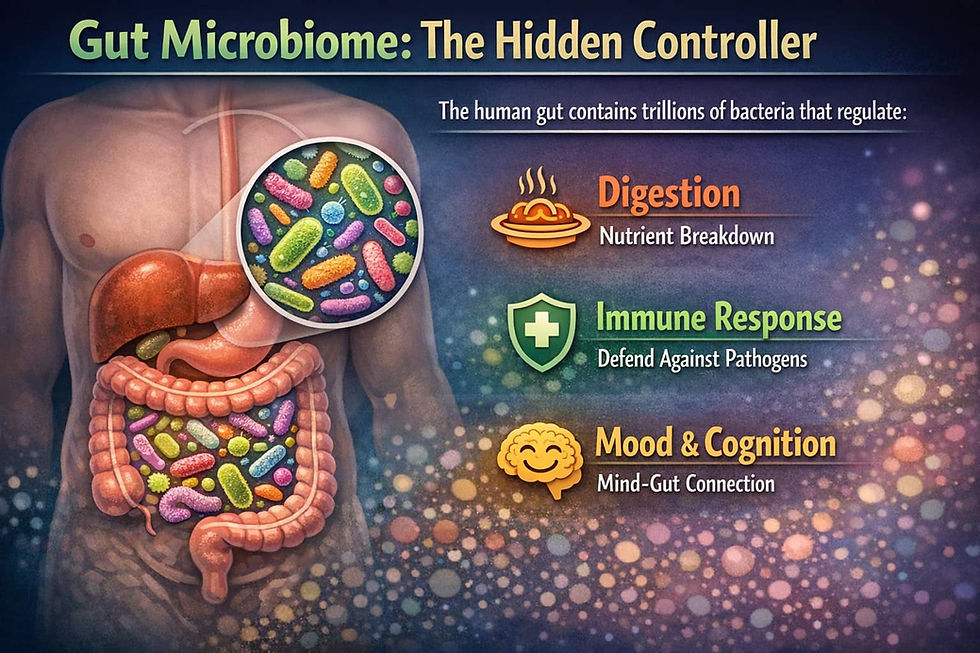
The human gut contains trillions of bacteria that regulate:
Digestion
Immune response
Mood and cognition
Dysbiosis (Imbalance) Leads To:
Excess gas production
Inflammation
Poor nutrient absorption
Root Causes
1. Dietary Factors
High FODMAP foods
Artificial sweeteners
Low fiber imbalance
2. Behavioral Factors
Fast eating
Overeating
Talking while eating (air swallowing)
3. Psychological Factors
Anxiety
Chronic stress
Depression
Sex and Age Differences (Advanced Insight)

Women: Hormone-Dominant Digestive Pattern
Women experience more digestive discomfort due to:
Estrogen: increases gut sensitivity
Progesterone: slows bowel movement
Cycle-Based Bloating Pattern
Follicular phase → mild symptoms
Luteal phase → severe bloating
Men: Metabolic and Lifestyle Impact
Men typically show:
Higher acid production
Faster metabolism
Lifestyle-driven indigestion
Aging and Digestive Decline
With age:
Enzyme production decreases
Gut motility slows
Microbiome diversity reduces
Advanced Dietary Strategy
Low-FODMAP Approach
Reduces fermentable carbohydrates to minimize gas.
Avoid
Onion, garlic
Wheat
Beans
Include
Rice
Bananas
Carrots
Anti-Inflammatory Diet
Turmeric
Ginger
Omega-3 rich foods
Probiotic & Prebiotic Integration
Probiotics
Yogurt
Kefir
Prebiotics
Garlic
Onion
Fiber
Natural Remedies (Scientifically Supported)

Bloating is more than just a temporary discomfort—it’s often a sign of impaired digestion, low stomach acid, gut microbiome imbalance, or stress-related dysfunction. When food is not properly broken down, it ferments in the gut, producing gas and causing that heavy, tight feeling.
The good news? A combination of natural remedies, smart lifestyle habits, and structured eating patterns can significantly reduce and even eliminate bloating over time.
🌱 1. Ginger – The Digestive Accelerator
🔬 Scientific Action:
Speeds up gastric emptying
Stimulates digestive enzymes
Reduces inflammation in the gut
✔ Why it works:
When food stays too long in the stomach, it ferments → gas forms → bloating occurs.👉 Ginger helps move food efficiently through the digestive tract.
✔ Benefits:
Reduces bloating and nausea
Improves appetite
Enhances overall digestion
✔ How to use:
Ginger tea before meals
Fresh ginger in cooking
Ginger + lemon warm water
🌿 2. Peppermint Oil – The Gut Relaxer
🔬 Scientific Action:
Relaxes intestinal smooth muscles
Reduces spasms (common in IBS)
✔ Benefits:
Relieves gas and abdominal cramps
Reduces bloating and discomfort
✔ Best use:
Enteric-coated peppermint oil capsules
Peppermint tea after meals
👉 Especially effective for stress-related bloating.
🌾 3. Fennel (Saunf) – The Gas Reducer
🔬 Scientific Action:
Prevents gas formation
Relaxes digestive tract muscles
✔ Benefits:
Quick relief from bloating
Improves digestion after meals
✔ How to use:
Chew fennel seeds after meals
Fennel tea
👉 A simple yet powerful everyday remedy.
🍎 4. Apple Cider Vinegar – The Acid Supporter
🔬 Scientific Action:
Mimics stomach acid
Helps break down proteins
✔ When it helps:
Low stomach acid (hypochlorhydria)
Heavy feeling after protein-rich meals
✔ Benefits:
Reduces fermentation
Improves digestion efficiency
✔ How to use:
1 tbsp ACV in warm water before meals
⚠️ Avoid if you have ulcers or severe acidity.
🌿 5. Ajwain (Carom Seeds) – The Instant Relief Remedy
🔬 Scientific Action:
Contains thymol, which stimulates digestive enzymes
Improves gut motility
✔ Benefits:
Rapid relief from gas and bloating
Reduces indigestion
✔ How to use:
Ajwain + warm water
Dry roast and chew
👉 One of the fastest natural remedies for bloating.
Lifestyle Optimization Framework

Even the most effective natural remedies will fall short if your daily habits are working against your digestive system. True relief comes from aligning your lifestyle with how your body is naturally designed to function.
1. Circadian Eating
Your digestive system follows a biological clock (circadian rhythm).
🔬 Why it matters:
Digestive enzymes and stomach acid are strongest during the day
At night, digestion slows down to allow the body to rest and repair
✔ Best practices:
Eat meals at consistent times daily
Have your largest meal at lunch
Keep dinner light and early (before 8 PM)
👉 Aligning meals with your body clock improves digestion and reduces bloating naturally.
2. Post-Meal Walking
A simple walk after meals can significantly enhance digestion.
✔ Benefits:
Improves gut motility (movement of food through intestines)
Prevents gas buildup and fermentation
Reduces heaviness and sluggishness
✔ How to do it:
Walk gently for 10–15 minutes after meals
Avoid lying down immediately after eating
👉 This small habit can dramatically reduce post-meal bloating.
3. Mindful Eating
Digestion begins in the brain, not the stomach.
🔬 Why it matters:
When you eat mindfully, your body activates the parasympathetic nervous system (rest-and-digest mode).
✔ Practice:
Eat slowly and chew thoroughly
Avoid phones, TV, or work while eating
Focus on your food and eating experience
👉 This improves:
Enzyme secretion
Stomach acid production
Nutrient absorption
4. Stress Reduction
Stress is one of the most overlooked causes of bloating and poor digestion.
🔬 What happens under stress:
Digestion slows down or stops
Stomach acid production decreases
Blood flow shifts away from the gut
✔ Practices to include:
Meditation (10–15 minutes daily)
Deep breathing exercises
Yoga or relaxation techniques
👉 A calm mind creates the ideal environment for healthy digestion.
Daily Diet Plan
A structured meal plan helps your digestive system stay consistent and efficient.
🌅 Morning
Warm water + lemon + ginger
👉 Gently activates digestion, stimulates stomach acid, and hydrates the body after sleep
🍳 Breakfast

Oats porridge + flaxseed + banana
OR
Whole-grain toast + avocado + boiled eggs
👉 Rich in fiber, supports gut microbiome, and provides sustained energy
🥗 Lunch

Brown rice or quinoa + lentil soup (or chickpeas) + steamed vegetables
OR
Grilled chicken/fish + sautéed vegetables + yogurt (plain, unsweetened)
👉 Balanced meal with protein, fiber, and probiotics for optimal digestion
☕ Snack
Herbal tea (peppermint/chamomile/ginger) + mixed nuts
👉 Light, calming, and prevents overeating while supporting digestion
🌙 Dinner

Vegetable soup + grilled protein (chicken/fish/tofu)
OR
Light vegetable stew with whole grains
👉 Easy to digest, reduces nighttime bloating, and supports gut repair
🌿 Key Principle
👉 Keep meals:
Simple
Balanced
Easy to digest
💡 Pro Tip: Eat dinner at least 2–3 hours before sleep to allow proper digestion and prevent bloating.
👩⚕️ Special Considerations
Digestive health is not the same for everyone. Factors like hormones, age, metabolism, and lifestyle influence how your body processes food. Tailoring your approach can significantly improve outcomes.
👩 For Women
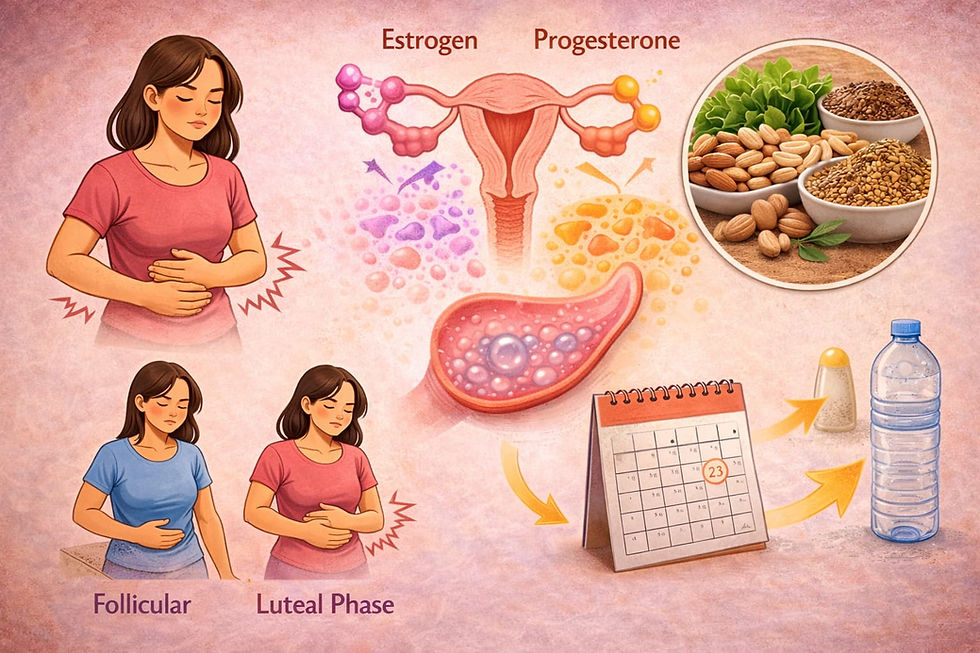
Women often experience digestive fluctuations due to hormonal changes, especially during different phases of the menstrual cycle.
🔬 Why it happens:
Hormones like estrogen and progesterone affect gut motility
During certain phases, digestion may slow down → leading to bloating and water retention
✔ Common issues:
Bloating before or during periods
Constipation or sluggish digestion
Increased cravings and sensitivity to certain foods
✔ What helps:
Increase magnesium-rich foods:
Nuts (almonds, cashews)
Seeds (pumpkin, flaxseed)
Leafy greens
👉 Magnesium helps reduce fluid retention, muscle tension, and bloating
Track your cycle:
Identify when symptoms occur
Adjust diet accordingly (lighter meals during sensitive phases)
Stay hydrated and reduce excess salt during premenstrual phase
👉 Understanding your body’s rhythm helps you prevent bloating instead of reacting to it.
👨 For Men

Men’s digestive issues are often linked to lifestyle habits rather than hormonal fluctuations.
🔬 Common causes:
Alcohol consumption
Overeating large meals
Late-night eating
High intake of processed or heavy foods
✔ Key risks:
Gas and bloating after heavy meals
Acid reflux and indigestion
Sluggish digestion
✔ What helps:
Reduce alcohol intake:
Alcohol irritates the gut lining
Disrupts gut bacteria
Slows digestion
Avoid overeating:
Large meals overload digestion
Leads to fermentation and gas
Eat earlier dinners:
Late eating = poor digestion + bloating
👉 Simple discipline in eating habits can dramatically improve digestion.
👵 For Elderly

As we age, the digestive system naturally becomes less efficient.
🔬 Age-related changes:
Reduced stomach acid production
Slower gut motility
Decreased enzyme activity
✔ Common issues:
Bloating after meals
Constipation
Difficulty digesting heavy foods
✔ What helps:
Prefer soft, warm, easy-to-digest foods:
Soups, stews, porridges
Cooked vegetables instead of raw
Eat smaller, more frequent meals:
Reduces digestive burden
Improves nutrient absorption
Stay hydrated and include light physical activity (walking)
👉 Gentle, supportive eating is key to maintaining digestion with age.
🚨 When Bloating Becomes Serious
⚠️ Seek medical attention if you experience:
Persistent or severe abdominal pain
Sudden, unexplained weight loss
Blood in stool
Chronic acid reflux or vomiting
👉 These may indicate underlying medical conditions that require professional care.
🛡️ Prevention Blueprint (Long-Term Strategy)

Consistency is key to preventing bloating.
✔ Daily habits:
Eat whole, natural foods
Avoid processed and refined foods
Maintain proper hydration (timed correctly)
Exercise regularly
Sleep 7–8 hours
🌿 Final Insight
Bloating is not just a minor inconvenience—it is your body’s way of communicating that something is out of balance.
👉 “Your digestion is not functioning optimally.”
Instead of ignoring it or temporarily suppressing it with quick fixes, it’s important to understand and address the root cause.
🔍 What Your Body Is Telling You
When you experience bloating, it may indicate:
Food is not being properly broken down
Low stomach acid or weak enzyme activity
Imbalance in gut bacteria (microbiome)
Eating habits that disrupt digestion (fast eating, stress, overeating)
👉 These signals are valuable—they guide you toward what needs to change.
🌱 Shift Your Approach

Rather than masking symptoms, focus on building a strong digestive foundation:
✔ Improve Digestion
Eat slowly and chew thoroughly
Include digestive-supporting foods (ginger, fermented foods, fiber)
Follow proper meal timing
✔ Support Gut Health
Nourish beneficial gut bacteria
Maintain a balanced, whole-food diet
Avoid excessive processed and refined foods
✔ Manage Stress Effectively
Practice relaxation techniques
Create a calm eating environment
Support the gut-brain connection
👉 When these three pillars are aligned, your digestive system begins to function naturally and efficiently.
💡 Key Takeaway
👉 Healthy digestion = Minimal or no bloating
👉 Balanced gut = Better energy, stable mood, stronger immunity, and improved overall health
🌿 The Bigger Picture
Your body is designed to digest food smoothly—but modern habits often disrupt this natural process.
When you:
Align your eating with your body’s rhythm
Support your gut with the right foods
Maintain a calm and balanced lifestyle
👉 Digestion improves effortlessly.
🌱 Bloating is not something you have to live with. It’s a signal—and when you respond to it correctly, it leads you toward better health.
👉 Restore balance, and bloating becomes a thing of the past.
Motivational Insight
“Your gut is your second brain—treat it with care.”
FAQs
1. What is the main cause of bloating?
Bloating is primarily caused by excess gas accumulation or improper digestion in the gastrointestinal tract. Common triggers include:
Overeating or eating too quickly
Consumption of gas-producing foods (like beans, carbonated drinks)
Food intolerances (such as lactose or gluten sensitivity)
Poor gut motility or slow digestion
In many cases, bloating is not due to one single factor but a combination of dietary habits and digestive inefficiencies.
2. Why do women experience more bloating?
Women tend to experience bloating more frequently due to hormonal fluctuations, especially during:
Menstrual cycles
Pregnancy
Menopause
Hormones like estrogen and progesterone influence gut motility and water retention. This can lead to temporary digestive slowdowns and increased gas buildup, making bloating more noticeable in women compared to men.
3. Does aging worsen digestion?
Yes, digestion can become less efficient with age. This happens because:
Production of digestive enzymes decreases
Stomach acid levels may decline
Gut motility slows down
These changes can lead to symptoms such as bloating, constipation, and nutrient absorption issues. However, maintaining a healthy diet and lifestyle can significantly reduce these effects.
4. What foods reduce bloating quickly?
Certain natural foods are known to soothe the digestive system and reduce bloating:
Ginger – stimulates digestion and reduces inflammation
Banana – rich in potassium, helps balance sodium and reduce water retention
Yogurt – contains beneficial probiotics that support gut health
Fennel seeds – relieve gas and improve digestion
Peppermint – relaxes intestinal muscles
Including these foods in your daily diet can provide quick and natural relief.
5. Is bloating related to gut bacteria?
Yes, bloating is strongly linked to the gut microbiome. The trillions of bacteria in your digestive system play a crucial role in breaking down food.
When there is an imbalance (known as dysbiosis):
Harmful bacteria may produce excess gas
Digestion becomes inefficient
Inflammation may increase
Maintaining a balanced microbiome is key to preventing chronic bloating.
6. Can stress cause indigestion?
Absolutely. Stress directly affects digestion through the gut-brain axis, a communication network between your brain and digestive system.
When stressed:
Blood flow to the digestive tract decreases
Digestive enzyme secretion is reduced
Gut motility becomes irregular
This can lead to symptoms like bloating, acidity, and discomfort. Managing stress is therefore essential for healthy digestion.
7. Are probiotics helpful?
Yes, probiotics are beneficial bacteria that support gut health. They help by:
Restoring microbial balance
Improving digestion and nutrient absorption
Reducing gas and bloating
Natural sources include yogurt, kefir, and fermented foods. Probiotic supplements can also be effective when chosen appropriately.
8. Is fasting beneficial for digestion?
Short periods of fasting or giving your digestive system a break can be beneficial. Intermittent fasting may:
Improve gut motility
Allow the digestive system to reset
Reduce inflammation
However, fasting should be done carefully and may not be suitable for everyone, especially those with medical conditions.
9. When should I worry about bloating?
Occasional bloating is normal, but you should seek medical attention if it is:
Persistent or long-lasting
Severe or painful
Accompanied by weight loss, vomiting, or blood in stool
Associated with significant changes in bowel habits
These symptoms could indicate underlying conditions that require proper diagnosis.
10. Can exercise help reduce bloating?
Yes, regular physical activity plays a vital role in digestive health. Exercise:
Stimulates intestinal movement (gut motility)
Helps release trapped gas
Reduces stress levels
Even simple activities like walking after meals can significantly reduce bloating and improve overall digestion.
🧾 Conclusion

Bloating is not just a temporary discomfort—it is a clear signal from your body that digestion needs attention. When your digestive system is not functioning efficiently, it can lead to gas buildup, poor nutrient absorption, and overall discomfort.
The key is not to suppress symptoms, but to address the root causes.
By:
Improving your digestion through mindful eating and proper food choices
Supporting your gut with balanced nutrition and beneficial bacteria
Managing stress and aligning your lifestyle with your body’s natural rhythms
👉 You can restore digestive balance naturally.
This is not about quick fixes—it’s about creating a sustainable, gut-friendly lifestyle that supports long-term health.
🌿 When your digestion improves, everything improves—your energy, mood, immunity, and overall well-being.
🚀 Call to Action (CTA)
Your journey to better digestion starts with one simple step today.
Start small and stay consistent:
Eat slowly and mindfully
Add one natural digestive aid (like ginger or herbal tea)
Avoid overeating and late-night meals
Take a few minutes to relax before eating
👉 You don’t need perfection—just progress.
💡 Take the 7-Day Gut Reset Challenge
For the next 7 days:
Eat without distractions
Follow regular meal timings
Support your gut with simple, natural foods
👉 Observe the difference—less bloating, better digestion, and improved comfort.
🌟 Final Push
Your gut is at the center of your health.
👉 Take care of it today.
👉 Build better habits.
👉 Live better. 🌿
Disclaimer
This article is for informational purposes only and does not replace professional medical advice. Consult a healthcare provider for persistent or severe symptoms.
References
Camilleri, M. (2015). Functional dyspepsia: Mechanisms and management. New England Journal of Medicine, 373(19), 1853–1863. https://doi.org/10.1056/NEJMra1501505
Ford, A. C., Lacy, B. E., & Talley, N. J. (2020). Irritable bowel syndrome. The Lancet, 396(10263), 1675–1688. https://doi.org/10.1016/S0140-6736(20)30424-6
Moayyedi, P., Lacy, B. E., Andrews, C. N., Enns, R. A., Howden, C. W., & Vakil, N. (2017). ACG and CAG clinical guideline: Management of dyspepsia. Gut, 66(6), 988–1013. https://doi.org/10.1136/gutjnl-2016-312500
El-Salhy, M., Hatlebakk, J. G., Gilja, O. H., & Hausken, T. (2019). Diet in irritable bowel syndrome. Nutrients, 11(10), 2434. https://doi.org/10.3390/nu11102434
Hill, C., Guarner, F., Reid, G., et al. (2014). The International Scientific Association for Probiotics and Prebiotics consensus statement. Nature Reviews Gastroenterology & Hepatology, 11(8), 506–514. https://doi.org/10.1038/nrgastro.2014.66
Chey, W. D., Kurlander, J., & Eswaran, S. (2015). Irritable bowel syndrome: A clinical review. JAMA, 313(9), 949–958. https://doi.org/10.1001/jama.2015.0954
Gibson, P. R., & Shepherd, S. J. (2010). Evidence-based dietary management of functional gastrointestinal symptoms: The FODMAP approach. Gastroenterology, 138(7), 1978–1988. https://doi.org/10.1053/j.gastro.2010.04.045
Staudacher, H. M., Lomer, M. C. E., Farquharson, F. M., et al. (2017). A diet low in FODMAPs reduces symptoms in patients with irritable bowel syndrome. Gut, 66(9), 1517–1527. https://doi.org/10.1136/gutjnl-2016-312196
Böhn, L., Störsrud, S., Liljebo, T., et al. (2015). Diet low in FODMAPs reduces symptoms of irritable bowel syndrome. Gastroenterology, 149(6), 1399–1407. https://doi.org/10.1053/j.gastro.2015.05.002
Simrén, M., Barbara, G., Flint, H. J., et al. (2013). Intestinal microbiota in functional bowel disorders. Nature Reviews Gastroenterology & Hepatology, 10(10), 613–626. https://doi.org/10.1038/nrgastro.2013.198
Tack, J., Talley, N. J., Camilleri, M., et al. (2006). Functional gastroduodenal disorders. Gastroenterology, 130(5), 1466–1479. https://doi.org/10.1053/j.gastro.2006.02.032
Mayer, E. A. (2011). Gut feelings: The emerging biology of gut–brain communication. Nature Reviews Neuroscience, 12(8), 453–466. https://doi.org/10.1038/nrn3071
Cryan, J. F., & Dinan, T. G. (2012). Mind-altering microorganisms: The impact of the gut microbiota on brain and behavior. Nature Reviews Neuroscience, 13(10), 701–712. https://doi.org/10.1038/nrn3346
Qin, J., Li, R., Raes, J., et al. (2010). A human gut microbial gene catalogue established by metagenomic sequencing. Nature, 464(7285), 59–65. https://doi.org/10.1038/nature08821
Sanders, M. E., Benson, A., Lebeer, S., et al. (2018). Shared mechanisms among probiotic taxa. Current Opinion in Gastroenterology, 34(1), 1–8. https://doi.org/10.1097/MOG.0000000000000325
Hungin, A. P. S., Molloy-Bland, M., Claes, R., et al. (2017). Systematic review: The burden of irritable bowel syndrome. Alimentary Pharmacology & Therapeutics, 45(6), 756–766. https://doi.org/10.1111/apt.13798
Enck, P., Aziz, Q., Barbara, G., et al. (2016). Irritable bowel syndrome. Nature Reviews Disease Primers, 2, 16081. https://doi.org/10.1038/nrdp.2016.81
Lacy, B. E., Weiser, K. T., Kennedy, A. T., et al. (2017). Functional dyspepsia: Clinical guidelines. American Journal of Gastroenterology, 112(7), 988–1013. https://doi.org/10.1038/ajg.2017.154
Saito, Y. A., Schoenfeld, P., & Locke, G. R. (2002). The epidemiology of irritable bowel syndrome in North America. Gastroenterology, 122(5), 1140–1150. https://doi.org/10.1053/gast.2002.32306
Talley, N. J., Ford, A. C., & Functional Dyspepsia Study Group. (2015). Functional dyspepsia. The Lancet, 385(9982), 1638–1647. https://doi.org/10.1016/S0140-6736(15)00238-3


Comments