

Mind-Body Connection in Women’s Health
Emotional Health and Hormones (Uterus Health Focus)

Introduction
Hey 😊… be happy and take a deep breath.
Your mind and your body are not separate—they are deeply connected in ways you may not always see, but you can certainly feel.
Every thought, every emotion, every experience you go through sends signals throughout your body. These signals influence your hormones, your energy, your menstrual cycle, and your overall well-being.
Have you ever noticed:
Stress delaying your period?
Anxiety causing fatigue?
Emotional overwhelm affecting your sleep?
These are not coincidences.
Here’s the truth:your emotional health directly influences your hormonal balance—and your hormonal balance affects your uterus health.
In today’s world, where stress, pressure, and emotional challenges are common, understanding this connection is more important than ever—especially for teen girls and young women.
The good news? When you learn how to support your emotional well-being, your body responds with better balance, improved cycles, and stronger overall health.
This guide will help you understand:
The science behind the mind-body connection
How emotions influence hormones
The role of stress hormones like cortisol
The impact on menstrual cycles and uterus health
Practical ways to create emotional balance
Most importantly, it will remind you that taking care of your mind is one of the most powerful ways to take care of your body 💛
🌸 Understanding the Mind-Body Connection

The mind-body connection refers to how your thoughts and emotions affect your physical health.
This connection is controlled by:
The brain
The nervous system
The endocrine (hormonal) system
🌿 How the Brain Communicates with the Body
The brain acts as the command center of the body, constantly sending and receiving signals to maintain balance and proper functioning. This communication happens through a complex network that connects your thoughts, emotions, and physical responses.
Your brain sends signals through:
Hormones – Chemical messengers released into the bloodstream that influence organs and systems throughout the body
Nerve pathways – Fast electrical signals transmitted through the nervous system to control immediate responses
Together, these systems ensure that your body responds appropriately to both internal and external changes.
These signals regulate essential functions such as:
Mood – Emotional stability, stress levels, and overall mental well-being
Sleep – Sleep cycles, rest quality, and recovery
Hormonal balance – Coordination of reproductive hormones and overall body equilibrium
When this communication is smooth, your body stays balanced. When disrupted—often by stress or emotional strain—it can lead to hormonal imbalances and physical symptoms.
🌸 Key Hormones Involved
Understanding the key hormones involved helps you see how deeply your emotional and physical health are connected.
🌿 1. Cortisol (Stress Hormone)
Released during times of stress or perceived danger
Helps the body respond quickly, but chronic elevation can be harmful
Can disrupt reproductive hormones, affecting menstrual cycles and fertility
🌸 2. Estrogen
Plays a central role in regulating the menstrual cycle
Supports reproductive health and uterine function
Influences mood, energy levels, and emotional stability
🌿 3. Progesterone
Promotes a calming effect on the body and mind
Helps prepare the uterus for pregnancy
Works alongside estrogen to maintain hormonal balance
🌸 4. Serotonin
Known as the “feel-good” hormone/neurotransmitter
Regulates mood, happiness, and emotional well-being
Also plays a role in sleep and appetite control
Maintaining a healthy mind–body connection supports the proper function of these hormones. When your mind is calm and your stress is managed, your body responds with better balance, improved cycles, and overall well-being.
🌸 How Emotions Affect Hormones
🌿 Stress
Increases cortisol
Disrupts hormonal balance
🌸 Anxiety
Affects sleep
Impacts hormone regulation
🌿 Happiness and Relaxation
Promote hormonal balance
Support overall health
🌸 Impact on Uterus Health
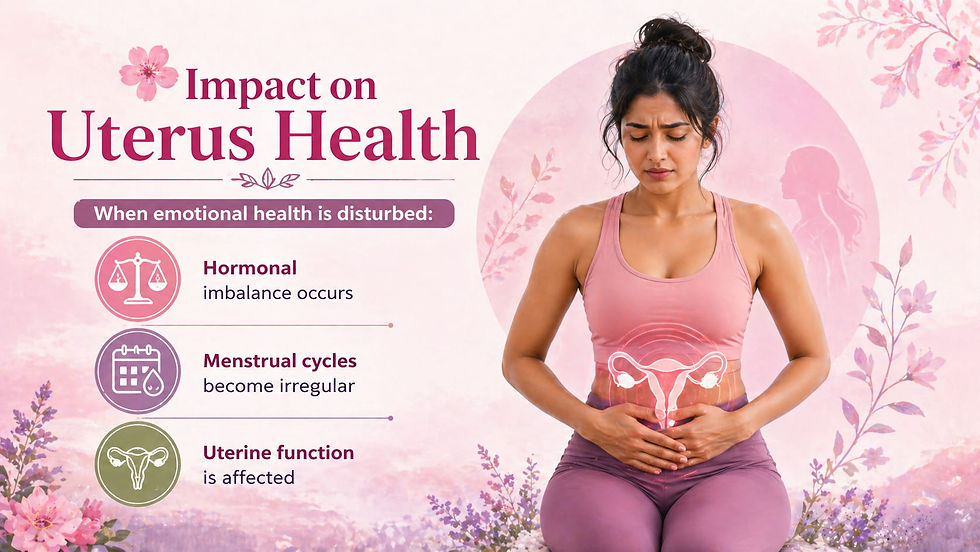
When emotional health is disturbed:
Hormonal imbalance occurs
Menstrual cycles become irregular
Uterine function is affected
🚨 Signs Emotional Health is Affecting Hormones
Your body often gives early signals when emotional stress begins to interfere with hormonal balance. Recognizing these signs can help you take action before deeper imbalances develop.
Common signs include:
Irregular periods – Cycles may become delayed, missed, or unpredictable
Mood swings – Sudden emotional highs and lows, irritability, or anxiety
Fatigue – Persistent tiredness even after rest
Sleep problems – Difficulty falling asleep, staying asleep, or feeling refreshed
These symptoms are not random—they are your body’s way of telling you that the mind–body connection is under strain.
🌸 Stress and Hormonal Imbalance
Chronic stress is one of the most significant disruptors of hormonal health. When stress becomes constant, the body remains in a prolonged “alert” state.
This leads to:
High cortisol levels – The stress hormone stays elevated longer than normal
Reduced reproductive hormone balance – Estrogen and progesterone levels may become irregular
Over time, this imbalance can affect menstrual health, fertility, and overall well-being. Managing stress is therefore essential—not optional—for hormonal stability.
🌿 Connection to Polycystic Ovary Syndrome
Hormonal disorders like Polycystic Ovary Syndrome (PCOS) are closely linked to both stress and hormonal imbalance.
Stress can worsen insulin resistance and hormone disruption
Hormonal imbalance can intensify symptoms such as irregular cycles, weight changes, and mood disturbances
While stress alone may not cause PCOS, it can significantly influence its severity and progression.
🌸 Cycle and Emotional Patterns
A woman’s emotional and physical state naturally changes throughout the menstrual cycle. Understanding these patterns helps you align your lifestyle with your body’s needs.
🌿 Menstrual Phase
Lower energy levels
Body needs rest, reflection, and gentle care
🌸 Follicular Phase
Gradual increase in energy
Ideal time for planning, creativity, and new activities
🌿 Ovulation
Peak confidence and social energy
Enhanced communication and connection with others
🌸 Luteal Phase
Increased emotional sensitivity
Need for calm environments and self-care
Recognizing these phases allows you to work with your body instead of against it.
🌸 Benefits of Emotional Balance
When emotional health is supported, the body responds positively in many ways:
Regular menstrual cycles – Predictable and stable rhythms
Balanced hormones – Improved coordination between estrogen, progesterone, and other hormones
Better energy levels – Reduced fatigue and improved vitality
Improved mood – Greater emotional stability and resilience
Maintaining emotional balance is not just about feeling good—it is a foundation for long-term hormonal health. Small, consistent efforts like stress management, proper rest, and self-awareness can create powerful, lasting changes in both mind and body.
😌 Practical Ways to Support Emotional Health

Taking care of your emotional well-being doesn’t require drastic changes. Simple, consistent practices can create a powerful positive impact on both your mind and body. These daily habits help reduce stress, improve hormonal balance, and strengthen the mind–body connection.
🧘♀️ 1. Meditation
Meditation is one of the most effective ways to calm the mind and reconnect with yourself.
Helps quiet racing thoughts and mental clutter
Reduces stress and lowers cortisol levels
Improves focus, clarity, and emotional stability
Even 5–10 minutes a day can bring noticeable changes over time.
🌬️ 2. Deep Breathing
Your breath is a direct link between your mind and body.
Activates the relaxation response of the nervous system
Slows heart rate and reduces anxiety
Promotes a sense of calm and control
Practices like slow inhaling and exhaling or diaphragmatic breathing can quickly ease stress.
🏃♀️ 3. Physical Activity
Movement is a natural mood booster and stress reliever.
Releases endorphins, the “feel-good” hormones
Reduces symptoms of anxiety and depression
Improves energy levels and overall well-being
Activities like walking, jogging, yoga, or dancing can make a big difference.
🎵 4. Music and Relaxation
Music has a powerful effect on emotions and mental state.
Helps calm the mind and reduce stress
Enhances emotional balance and mood
Can improve focus, relaxation, and even sleep quality
Listening to soothing music or nature sounds can create a peaceful mental space.
🌿 5. Nature Time
Spending time in nature naturally restores emotional balance.
Reduces stress and mental fatigue
Improves mood and inner calm
Enhances mindfulness and connection to the present moment
Even short walks in greenery or time near water can be deeply refreshing.
✍️ 6. Journaling
Writing down your thoughts is a simple yet powerful emotional outlet.
Helps process emotions and reduce mental overload
Improves self-awareness and clarity
Encourages positive thinking and problem-solving
Journaling regularly allows you to release what you’re holding inside and better understand yourself.
By incorporating these small practices into your daily routine, you create a strong foundation for emotional health. Over time, these habits not only calm the mind but also support hormonal balance, improve physical health, and enhance overall quality of life.
🌸 Daily Routine for Emotional Balance

Creating a simple daily routine can significantly improve your emotional well-being and support hormonal balance. Small, mindful habits throughout the day help keep your mind calm, your energy steady, and your body in sync.
🌅 Morning
Start your day with intention and positivity. The way you begin your morning often sets the tone for the rest of the day.
Positive thoughts – Begin with gratitude or affirmations to create a calm and confident mindset
Breathing exercises – Practice slow, deep breathing to awaken the body and reduce early stress
Even a few quiet minutes in the morning can make you feel more centered and focused.
☀️ Day
During the day, maintaining balance between activity and rest is essential.
Stay active – Engage in physical movement like walking or light exercise to boost mood and energy
Take breaks – Short pauses between tasks help prevent mental fatigue and reduce stress buildup
Listening to your body during the day helps maintain steady emotional energy.
🌇 Evening
Evenings are a time to slow down and release the day’s stress.
Relax – Engage in calming activities like reading, gentle stretching, or listening to soft music
Limit stress – Avoid heavy mental work or emotional triggers close to bedtime
Creating a peaceful evening routine signals your body to unwind.
🌙 Night
Quality sleep is essential for emotional and hormonal balance.
Sleep well – Aim for consistent, restful sleep to allow your body and mind to recover and reset
Good sleep supports mood stability, hormone regulation, and overall well-being.
By following this simple daily routine, you create a natural rhythm that supports both your emotional health and physical balance. Consistency is key—small steps practiced daily lead to lasting transformation.
👧 Importance for Teen Girls
The teenage years are a transformative phase filled with rapid physical, emotional, and hormonal changes. For girls, this period is especially sensitive because the body is preparing for long-term reproductive health while the mind is learning to process complex emotions.
During adolescence, emotional well-being is not just about feeling “happy” or “sad”—it directly influences physical health. Supporting emotional balance during this time helps regulate hormones, stabilize mood, and build a strong foundation for adulthood.
🌸 Why Emotional Support Matters
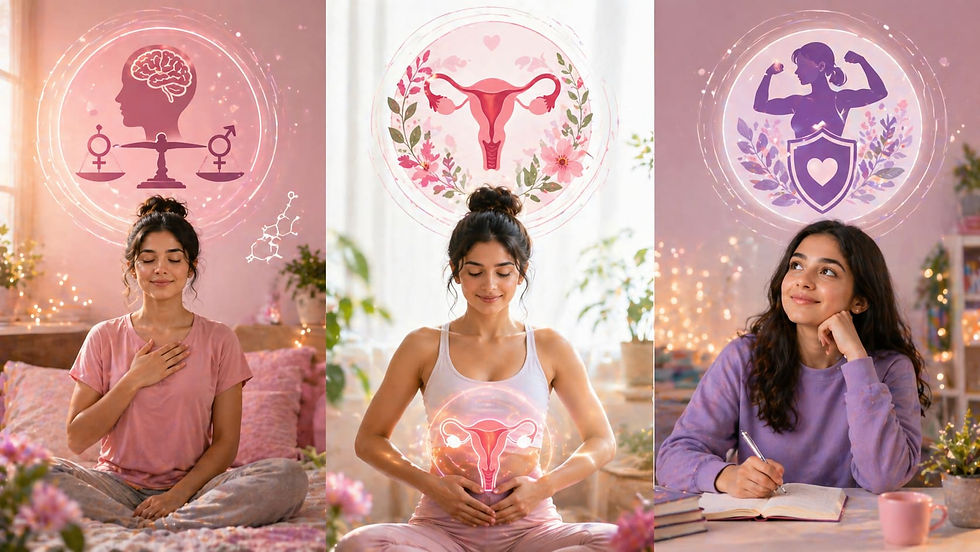
Hormonal Development
Emotional stress can disrupt hormonal balance, affecting cycles, mood swings, and energy levels. A calm and supported mind helps maintain healthy hormone function.
Uterus and Reproductive Health
Emotional well-being is closely linked to menstrual health. Chronic stress or emotional suppression can lead to irregular cycles, discomfort, or long-term reproductive concerns.
Mental Resilience
Learning to process emotions during teenage years builds confidence, self-awareness, and resilience—qualities that shape future relationships and decision-making.
🚫 Common Mistakes to Avoid
Teen girls often unknowingly fall into habits that can negatively impact both emotional and physical health:
Ignoring Emotions
Suppressing feelings like sadness, anger, or anxiety may seem easier in the moment, but it can lead to internal stress and long-term emotional strain.
Overthinking Everything
Constant worry about appearance, academics, or social acceptance can create unnecessary pressure and mental fatigue.
Lack of Rest and Recovery
Sleep is crucial during teenage years. Poor sleep affects hormones, mood stability, and overall health.
🩺 When to Seek Help
It’s important to recognize when support from a professional is needed. Seeking help is a sign of strength, not weakness.
Consider consulting a healthcare or mental health professional if:
Emotional distress persists
Feelings of sadness, anxiety, or irritability last for weeks and interfere with daily life.
Hormonal symptoms worsen
Irregular periods, severe cramps, or unusual physical changes become frequent or intense.
Behavioral changes appear
Withdrawal from social activities, sudden mood swings, or loss of interest in usual hobbies.
Early support can prevent long-term complications and help restore balance.
💛 Encouragement
Your emotions are not a burden—they are signals. Your body is not working against you—it is communicating with you.
Learning to listen, understand, and care for yourself during these years is one of the most powerful investments you can make in your future.
You are growing, evolving, and becoming stronger every day—even on the days it doesn’t feel like it.
Conclusion

The mind–body connection is not just a concept—it is a powerful, living relationship that shapes every aspect of women’s health. From hormonal balance to menstrual regularity and reproductive wellness, your emotional state plays a deeply influential role. Stress, anxiety, and unresolved emotions can disrupt the body’s natural harmony, while calmness, self-awareness, and emotional care can restore and strengthen it.
When you nurture your mental and emotional well-being, you are not only improving how you feel—you are actively supporting your body’s biological functions. Your hormones respond, your cycles stabilize, and your overall vitality improves. This connection reminds us that true health is not achieved by focusing on the body alone, but by honoring the unity between mind and body.
Taking time to care for your emotional health is not a luxury—it is a necessity. It is one of the most powerful ways to protect your long-term well-being and live with energy, balance, and confidence.
Call to Action (CTA)
Start today. Small steps create lasting change.
🌿 Take Action
Care for your mind with moments of silence, reflection, or mindfulness
Manage stress through healthy routines like walking, breathing exercises, or journaling
Stay balanced by listening to your body and respecting its needs
🌼 Final Thought
When your mind is calm, your body finds its natural balance.
Honor yourself. Care for yourself. Prioritize your well-being—because you truly deserve a life of health, peace, and inner strength 💛
Frequently Asked Questions (FAQs)
1. What is the mind–body connection in women’s health?
It refers to the relationship between emotional well-being and physical health. Thoughts, stress, and emotions can directly influence hormones, menstrual cycles, and overall body function.
2. Can stress really affect menstrual cycles?
Yes. High stress levels can disrupt hormonal balance, leading to irregular periods, delayed cycles, or even missed menstruation.
3. How does emotional health impact hormonal balance?
Emotions influence the nervous system and endocrine system. Chronic stress increases cortisol, which can interfere with reproductive hormones like estrogen and progesterone.
4. What are simple ways to improve the mind–body connection?
Practices like meditation, yoga, deep breathing, journaling, and regular physical activity help strengthen this connection.
5. Does poor mental health affect fertility?
Yes, long-term stress and anxiety can impact ovulation and reproductive health, potentially affecting fertility.
6. Can mindfulness improve women’s health?
Absolutely. Mindfulness reduces stress, improves emotional stability, and supports better hormonal regulation and overall wellness.
7. Is sleep important for the mind–body connection?
Very important. Quality sleep helps regulate hormones, reduces stress, and allows the body to repair and restore balance.
8. How does diet influence emotional and physical health?
A balanced diet supports brain function, stabilizes mood, and provides nutrients essential for hormonal health and energy levels.
9. Are physical symptoms sometimes linked to emotional stress?
Yes. Symptoms like fatigue, headaches, digestive issues, and hormonal imbalances can often be linked to emotional stress.
10. When should someone seek professional help?
If stress, anxiety, or physical symptoms become persistent or interfere with daily life, it’s important to consult a healthcare or mental health professional for guidance.
Disclaimer
This content is for educational and awareness purposes only and is not a substitute for professional medical advice, diagnosis, or treatment. Always consult a qualified healthcare provider for concerns related to hormonal, emotional, or reproductive health.
Individual responses and conditions may vary. If you experience persistent symptoms such as irregular periods, severe stress, or mood changes, seek professional guidance promptly.
This information is intended to support—not replace—expert care, and you are encouraged to make informed health decisions with professional advice when needed.


Comments