

🌿 Natural Remedies for Low Stomach Acid That Actually Work

🧭 Introduction: Fix the Root, Not Just the Symptoms
If you struggle with:
• bloating after meals,
• acid reflux,
• indigestion,
• or nutrient deficiencies,
👉 the real issue may not always be excess stomach acid — it could be too little stomach acid.
Many people rely on:
• antacids,
• acid blockers,
• or quick fixes.
But these often:
❌ Mask the real problem
❌ Slow digestion over time
❌ Reduce nutrient absorption
Instead of only suppressing symptoms, supporting healthy digestion may help address the root cause naturally.
The good news is that simple natural remedies and lifestyle habits may help improve stomach acid levels and digestive health.
💡 The Smarter Approach
👉 Instead of only masking symptoms, support your body’s natural digestive process.
Natural remedies may help to:
• stimulate healthy stomach acid production,
• improve digestive enzyme activity,
• support nutrient absorption,
• and restore better gut balance.
When digestion improves naturally, the body can break down food more efficiently and reduce common digestive discomforts over time.
🧬 Why Natural Remedies Work
Natural approaches often work by:
• activating digestive signals in the stomach,
• supporting healthy stomach acid levels,
• improving gut-brain communication,
• and encouraging smoother digestion naturally.
👉 Unlike many quick-fix medications, natural remedies aim to work with your body’s normal digestive functions — not against them.
Over time, healthy habits and natural digestive support may help improve comfort, digestion, and overall gut health.
🔥 10 Natural Remedies That Actually Work
1. 🍋 Lemon Water

Why It Works
Lemon water may help gently stimulate stomach acid production and prepare the digestive system before eating. Although lemons taste acidic, they can support healthy digestion by encouraging digestive secretions and improving stomach readiness for food.
Many people find it helpful for:
• bloating after meals,
• sluggish digestion,
• heaviness in the stomach,
• and mild indigestion.
Warm lemon water may also help support hydration and digestive comfort early in the day.
How to Use
• Squeeze fresh lemon juice into a glass of warm water
• Drink 15–20 minutes before meals
• Start with a small amount if you have a sensitive stomach
👉 Consistency and moderation are important. For some people, gentle digestive support over time works better than strong quick fixes.
2. 🍎 Apple Cider Vinegar (ACV)
Benefits
Apple cider vinegar may help support healthy stomach acidity and improve digestion, especially in people with low stomach acid. It can help the stomach break down food more effectively and may reduce symptoms such as:
• bloating,
• heaviness after meals,
• gas,
• and sluggish digestion.
Some people also find that ACV helps improve nutrient absorption and supports overall gut balance when used properly.
How to Use
• Mix 1 teaspoon of apple cider vinegar in a glass of water
• Drink before meals, especially heavier meals
• Start with a small amount to see how your body responds
👉 Always dilute ACV with water, as concentrated vinegar may irritate the throat or stomach in some individuals.
3. 🫚 Ginger

Why It Helps
Ginger is a well-known natural digestive aid that may help stimulate digestive enzymes and support smoother digestion. It can encourage better stomach movement, helping food pass through the digestive system more comfortably.
Ginger may also help reduce:
• bloating,
• gas,
• nausea,
• stomach discomfort,
• and feelings of heaviness after meals.
Its natural warming properties may support healthy digestive activity and improve overall gut comfort.
How to Use
• Drink warm ginger tea before or after meals
• Chew small fresh ginger slices
• Add fresh ginger to soups, meals, or herbal drinks
👉 A small amount is often enough. Excess ginger may irritate sensitive stomachs in some people.
4. 🧂 Natural Salt
Why It Helps
Natural salt contains chloride, an important mineral needed for the production of hydrochloric acid (HCl) in the stomach. Healthy stomach acid levels are essential for proper digestion, nutrient absorption, and breaking down proteins efficiently.
Using small amounts of natural salt may help support:
• stomach acid production,
• digestive function,
• mineral balance,
• and overall gut health.
Unrefined salts may also contain trace minerals that support normal body functions.
How to Use
• Add small amounts of natural salt to meals
• Choose less processed options when possible
• Use in moderation as part of a balanced diet
👉 Small amounts can support digestion, but excessive salt intake may negatively affect health. Balance is important.
5. 🥬 Bitter Foods

Why They Help
Bitter foods naturally stimulate digestive juices, including stomach acid, bile, and digestive enzymes. This helps prepare the digestive system to break down food more effectively and support smoother digestion.
They may help reduce:
• bloating,
• sluggish digestion,
• heaviness after meals,
• and poor appetite.
Bitter foods are traditionally used in many cultures to support gut health and improve digestive function naturally.
Examples of Bitter Foods
• bitter gourd,
• fenugreek,
• leafy greens,
• arugula,
• and certain herbal bitters.
How to Use
• Include small amounts in daily meals• Eat bitter vegetables before or during meals• Add fenugreek leaves or seeds to cooking
👉 Bitter foods gently encourage the body to release digestive juices naturally and may improve digestion over time.
6. 🥒 Fermented Foods
Fermented foods contain beneficial bacteria that may help support gut balance and improve digestion naturally. A healthier gut environment can support better breakdown of food and smoother digestive function.
These foods may help with:
• bloating,
• indigestion,
• irregular digestion,
• and overall gut health.
Fermented foods may also support the gut microbiome, which plays an important role in digestion, immunity, and nutrient absorption.
Examples
• yogurt with live cultures,
• kefir,
• sauerkraut,
• kimchi,
• traditional pickled vegetables,
• and fermented rice or buttermilk preparations.
How to Use
• Start with small portions
• Include fermented foods regularly with meals
• Choose naturally fermented options when possible
👉 Introducing fermented foods slowly may help the digestive system adjust more comfortably.
7. 🍍 Pineapple

Why It Helps
Pineapple contains bromelain, a natural digestive enzyme that helps break down proteins more efficiently. This may support digestion and reduce feelings of heaviness after meals, especially after protein-rich foods.
Pineapple may help with:
• sluggish digestion,
• bloating,
• stomach discomfort after eating,
• and poor protein digestion.
Its natural enzymes can support the digestive process and improve overall digestive comfort.
How to Use
• Eat fresh pineapple in moderate amounts
• Consume a small portion after meals
• Add pineapple to smoothies or fruit bowls
👉 Fresh pineapple contains more active bromelain than heavily processed versions. Excess intake may irritate sensitive stomachs in some people.
8. 🍯 Honey
Why It Helps
Natural honey may help support gut health and soothe the digestive system. It contains natural compounds with mild antibacterial properties that may help support a healthier digestive environment.
Honey may also help with:
• mild stomach irritation,
• digestive discomfort,
• bloating,
• and overall gut balance.
Some varieties of raw honey also contain antioxidants and beneficial plant compounds that support general wellness.
How to Use
• Take a small amount of honey before or after meals
• Mix with warm water or herbal tea
• Use natural, minimally processed honey when possible
👉 Honey works best in moderation. Avoid giving honey to infants under one year of age.
9. 🌿 Herbal Bitters
Why They Help
Herbal bitters are traditionally used to stimulate digestion naturally. Their bitter compounds may help activate digestive signals, increase stomach acid production, and support the release of digestive enzymes.
They may help improve:
• sluggish digestion,
• bloating,
• poor appetite,
• heaviness after meals,
• and overall digestive efficiency.
Many traditional healing systems have used bitter herbs for centuries to support gut function and digestive balance.
Examples
• neem,
• herbal digestive tonics,
• gentian,
• dandelion,
• and other bitter herbs.
How to Use
• Take small amounts before meals
• Use as herbal teas or traditional tonics
• Follow recommended serving amounts carefully
👉 Herbal bitters can be strong digestive stimulants, so moderation is important, especially for sensitive stomachs.
10. 🍽️ Mindful Eating (Most Powerful Remedy)
Why It Works
Mindful eating helps activate the body’s natural digestive system before and during meals. Eating slowly in a relaxed state supports the release of stomach acid, digestive enzymes, and other digestive signals needed for proper digestion.
Rushing meals, overeating, stress, and distracted eating may weaken digestion and contribute to:
• bloating,
• indigestion,
• heaviness after meals,
• and poor nutrient absorption.
Mindful eating may help improve:
• digestion efficiency,
• enzyme release,
• stomach acid activity,
• and overall gut comfort.
How to Practice Mindful Eating
• Eat slowly and chew food thoroughly
• Avoid rushing meals• Limit distractions while eating
• Take a few calm breaths before meals
• Stop eating when comfortably full
👉 Sometimes the most powerful digestive support is not a supplement — it is simply giving your body enough time to digest properly.
🧠 How to Use These Remedies Together
Using natural remedies consistently and gently may help support digestion more effectively than relying on only one method. Simple daily habits can work together to improve stomach acid levels, digestive comfort, and gut balance over time.
🌅 Morning
• Warm lemon water
• Gentle hydration to awaken the digestive system
• Helps prepare the stomach for the day ahead
🍽️ Before Meals
• Apple cider vinegar (ACV) in water or ginger tea
• Helps stimulate digestive juices and enzyme activity
• May support smoother digestion before eating
🥗 During Meals
• Eat a balanced, whole-food diet
• Include natural salts, bitter foods, and fiber-rich vegetables
• Chew slowly and avoid overeating
🌿 After Meals
• Light herbal tea such as ginger or digestive herbal blends
• Relax and avoid lying down immediately after eating
• Give the body time to digest comfortably
👉 Small daily habits often create better long-term digestive support than extreme or temporary approaches.
⚠️ Important Guidelines
✔ Start Slowly
Introduce one remedy at a time instead of trying everything together. This helps your body adjust gradually and makes it easier to identify what works best for your digestion.
✔ Observe Your Body
Pay attention to how your body responds. Monitor symptoms such as:
• bloating,
• stomach discomfort,
• acid reflux,
• digestion after meals,
• and overall energy levels.
Every person’s digestive system is different, so gentle observation is important.
✔ Stay Consistent
Natural digestive support usually takes time. Small daily habits practiced consistently often produce better long-term results than quick temporary fixes.
👉 Patience, balance, and regular healthy routines are key to supporting digestion naturally.
❌ Common Mistakes

Overusing Remedies
Using too many remedies at once or taking excessive amounts may irritate the stomach and worsen digestive discomfort. Natural remedies work best when used gently and in moderation.
Expecting Instant Results
Improving digestion and stomach acid levels naturally takes time. Many people expect immediate changes, but the body often needs consistency and patience to heal and rebalance.
Ignoring Diet and Lifestyle
Even the best remedies may not help if daily habits continue to stress the digestive system. Poor food choices, overeating, lack of sleep, stress, and rushed eating can all affect digestion negatively.
👉 Natural remedies work best when combined with healthy eating habits, mindful eating, hydration, and balanced daily routines.
🏁 Conclusion
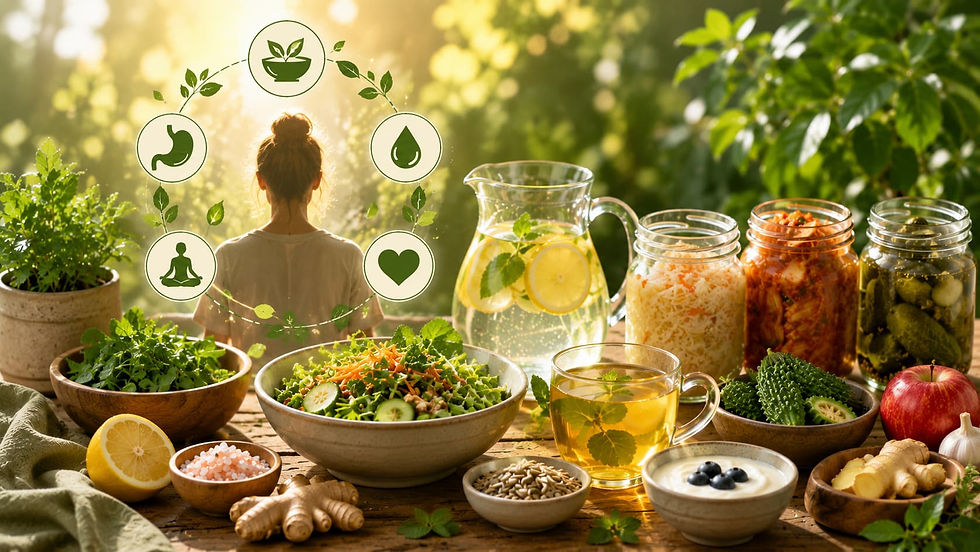
Natural remedies can be powerful tools for supporting digestion and improving low stomach acid — but they work best when used correctly, patiently, and consistently.
Rather than simply masking symptoms, these approaches aim to support your body’s natural digestive processes and encourage better long-term gut health.
Simple habits such as mindful eating, balanced meals, proper hydration, stress management, and gentle digestive support may gradually improve digestion, nutrient absorption, and overall comfort.
👉 True healing often happens through small daily habits practiced consistently over time.
💡 Key Insight
Consistency is often more powerful than intensity.
Small, steady improvements in diet, lifestyle, and digestion-friendly habits usually create better long-term results than extreme or temporary solutions.
Listen to your body, stay patient, and focus on supporting digestion naturally and sustainably.
🚀 Call to Action
Start today with small, simple changes:
• Add 1–2 natural remedies gradually
• Improve daily eating habits• Eat more mindfully and slowly
• Stay consistent with healthy routines
You do not need to change everything overnight. Small daily improvements can make a meaningful difference in digestion and overall gut health over time.
👉 Support your body gently, stay patient, and allow healthy habits to work naturally.
❓ FAQs
1. Do natural remedies work?
Yes.
2. Best remedy?
Lemon water.
3. Is ACV safe?
Yes, diluted.
4. Can I combine remedies?
Yes.
5. How long to see results?
Weeks.
6. Can diet alone fix it?
Often.
7. Is it safe for everyone?
Mostly.
8. Can stress affect it?
Yes.
9. Should I avoid meds?
Consult doctor.
10. Best habit?
Eat slowly.
⚠️ Disclaimer
This content is for educational and informational purposes only and is not intended to diagnose, treat, cure, or prevent any medical condition.
Natural remedies may affect individuals differently. Always consult a qualified healthcare professional before making major dietary or health changes, especially if you have existing medical conditions, take medications, are pregnant, or experience severe digestive symptoms.
🌟 Final Thought
“Healing begins when you support your body, not suppress it.”
👉 Start simple. Stay consistent.
👉 Heal your gut naturally.



Comments