

🌟 The Science of Happiness: A Comprehensive Guide for Men, Women, and Elders

🌿 Introduction: Why Happiness Matters More Than Ever
Happiness is not merely a fleeting feeling or momentary pleasure—it is a deep, measurable, and scientifically grounded state of well-being that shapes every dimension of human life. From physical health and longevity to emotional resilience and social harmony, happiness plays a central role in determining how we live, think, and connect.
In today’s fast-paced, digitally driven world, the pursuit of happiness has become more complex than ever. Stress, social comparison, and lifestyle imbalances often cloud our ability to experience genuine joy. Yet, modern science—especially the field of positive psychology—offers powerful insights into how happiness can be cultivated intentionally.
This comprehensive guide explores the science of happiness through the lens of biology, psychology, and lifestyle, with a special focus on how it manifests differently in men, women, and elders. By understanding these differences and applying evidence-based strategies, anyone can move toward a more fulfilling and meaningful life.
🧠 Understanding Happiness: Beyond Emotions

Happiness is often misunderstood as constant joy or excitement. In reality, it is a multi-dimensional construct that includes emotional, psychological, and social well-being.
Two Core Dimensions of Happiness
1. Hedonic Happiness (Pleasure-Based)
Focuses on enjoyment, comfort, and positive emotions
Examples: eating favorite food, entertainment, relaxation
Short-term but necessary for emotional balance
2. Eudaimonic Happiness (Meaning-Based)
Rooted in purpose, growth, and contribution
Examples: achieving goals, helping others, personal development
Long-lasting and deeply fulfilling
The most satisfied individuals are those who balance both—seeking joy while also living with purpose.
🧬 The Biology of Happiness: Inside the Brain

Happiness is not just psychological—it is deeply biological. The brain uses chemical messengers called neurotransmitters to regulate mood and emotions.
Key Happiness Chemicals
Dopamine: Drives motivation and reward (achievement, success)
Serotonin: Stabilizes mood and promotes calmness
Oxytocin: Enhances bonding, trust, and social connection
Endorphins: Reduce pain and create feelings of pleasure
Brain Regions Involved
Prefrontal Cortex: Decision-making and positive thinking
Amygdala: Emotional processing
Hippocampus: Memory and emotional learning
💡 Insight: Your daily habits—exercise, sleep, nutrition, relationships—directly influence these chemicals, meaning happiness is something you can actively build.
🧑🤝🧑 Happiness in Men: Strength, Purpose, and Balance
How Men Experience Happiness
Men often associate happiness with:
Achievement and success
Independence and control
Physical strength and activity
Biologically, testosterone influences motivation, competitiveness, and reward-seeking behavior.
Challenges Men Face
Emotional suppression due to societal expectations
Work stress and pressure to succeed
Limited emotional communication
Strategies for Men
Engage in regular physical exercise
Build meaningful friendships
Practice emotional expression (journaling, conversations)
Focus on purpose beyond career
👩 Happiness in Women: Connection, Emotion, and Balance

How Women Experience Happiness
Women often derive happiness from:
Emotional connection and relationships
Social bonding and communication
Nurturing and caregiving roles
Hormonal cycles (estrogen and progesterone) can influence mood and emotional intensity.
Challenges Women Face
Higher rates of anxiety and depression
Balancing career and family
Hormonal fluctuations
Strategies for Women
Maintain strong social support networks
Practice mindfulness and self-care
Prioritize sleep and nutrition
Set boundaries to avoid burnout
👴👵 Happiness in Elders: Wisdom, Acceptance, and Meaning

Why Happiness Often Increases with Age
Research shows that many elders report greater life satisfaction due to:
Improved emotional regulation
Acceptance of life’s ups and downs
Focus on meaningful relationships
Challenges in Later Life
Loneliness and social isolation
Health-related limitations
Loss of loved ones
Strategies for Elders
Stay socially connected (family, community)
Engage in light physical activity
Participate in purpose-driven activities (mentoring, volunteering)
Maintain a positive daily routine
🧘 Mindfulness and Inner Peace

Mindfulness is one of the most effective tools for enhancing happiness.
Benefits
Reduces stress and anxiety
Improves emotional control
Enhances focus and clarity
Daily Practices
10–20 minutes of meditation
Deep breathing exercises
Gratitude journaling
🏃 Physical Health and Happiness

Physical health and happiness are deeply interconnected.
Benefits of Exercise
Boosts endorphins and serotonin
Reduces stress hormones
Improves sleep and energy
Recommended Activities
Walking or jogging
Yoga and stretching
Strength training
🥗 Nutrition and Mood

Food directly affects brain chemistry and emotional well-being.
Mood-Boosting Nutrients
Omega-3 fatty acids
B vitamins
Magnesium
Healthy Habits
Eat whole, unprocessed foods
Stay hydrated
Avoid excessive sugar and processed items
😴 Sleep: The Foundation of Emotional Stability
Sleep is essential for maintaining happiness and mental clarity.
Effects of Poor Sleep
Mood swings
Anxiety and depression
Reduced productivity
Tips
Maintain a consistent sleep schedule
Limit screen time before bed
Create a calm sleep environment
💬 Social Connection: The Heart of Happiness
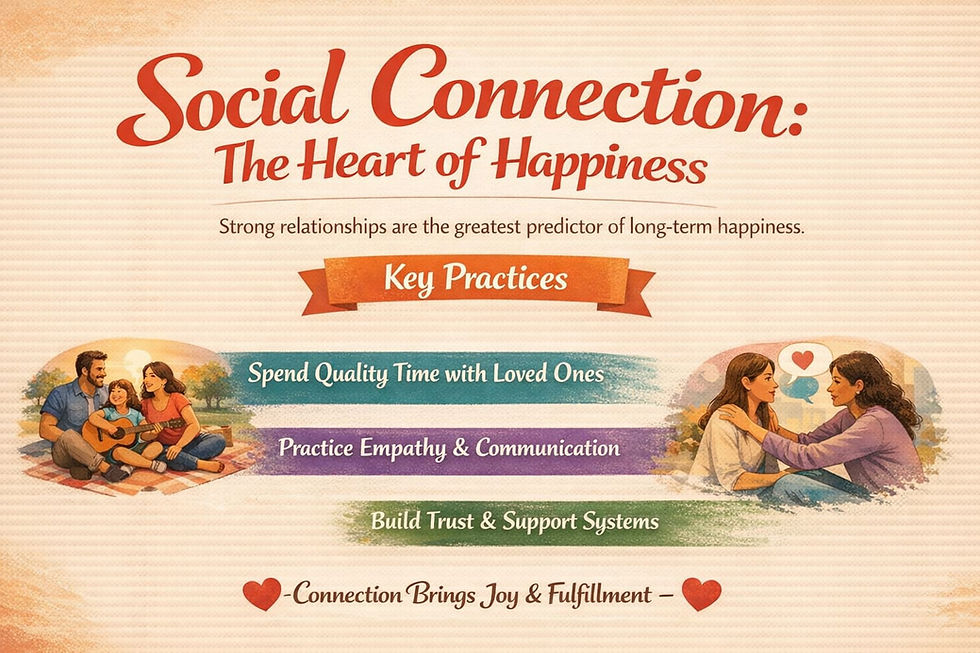
Strong relationships are the greatest predictor of long-term happiness.
Key Practices
Spend quality time with loved ones
Practice empathy and communication
Build trust and support systems
🎯 Purpose and Meaning: The Ultimate Key
Happiness is not just about feeling good—it’s about living meaningfully.
How Purpose Enhances Happiness
Provides direction and motivation
Builds resilience during challenges
Increases life satisfaction
🌍 Conclusion: Happiness is a Skill You Can Build

Happiness is not reserved for a lucky few—it is a skill that can be learned, practiced, and sustained. While men, women, and elders experience happiness differently, the core principles remain universal:
Take care of your body
Train your mind
Build strong relationships
Live with purpose
By making small, consistent changes in your daily life, you can create a powerful ripple effect that leads to lasting happiness.
⚠️ Disclaimer
This content is for educational purposes only and does not replace professional medical or psychological advice.
❓ Frequently Asked Questions (FAQs)
1. What is the scientific definition of happiness?
Happiness, in scientific terms, is known as subjective well-being (SWB), which includes a combination of positive emotions, life satisfaction, and a sense of purpose. It is not just about feeling good momentarily but about maintaining a stable sense of fulfillment over time.
For men, this may involve achievement and success; for women, emotional connection and relationships; and for elders, meaning and life satisfaction. Scientists measure happiness using surveys, emotional tracking, and psychological scales.
2. Can happiness be developed, or is it determined by genetics?
Happiness is partly influenced by genetics, but a significant portion—around 40%—is shaped by intentional activities and habits. This means happiness can absolutely be cultivated.
Men can enhance happiness through goal-setting and physical activity, women through social bonding and self-care, and elders through meaningful engagement and reflection. Daily practices like gratitude, mindfulness, and exercise can significantly increase happiness levels.
3. What are the main biological factors that affect happiness?
Happiness is regulated by brain chemicals such as dopamine (reward), serotonin (mood stability), oxytocin (bonding), and endorphins (pleasure).
Hormonal differences also influence emotional experiences:
Men: Testosterone affects motivation and achievement
Women: Estrogen impacts emotional sensitivity
Elders: Brain chemistry stabilizes, often improving emotional control
Healthy habits like sleep, nutrition, and exercise help regulate these systems.
4. How does happiness differ between men and women?
Men and women experience happiness differently due to biological and social influences.
Men often find happiness in achievement, independence, and problem-solving, while women tend to derive happiness from relationships, emotional connection, and caregiving roles. Women may also experience more emotional fluctuations due to hormonal cycles, while men may struggle with expressing emotions openly.
Understanding these differences helps create more personalized approaches to well-being.
5. Why do many elders report higher happiness despite aging challenges?
Many elders experience increased happiness due to greater emotional regulation, acceptance, and focus on meaningful relationships.
They often prioritize what truly matters—family, peace of mind, and purpose—over material success. However, challenges such as loneliness and health issues can impact well-being, making social engagement and active lifestyles essential for maintaining happiness in later life.
6. What role does mental health play in achieving happiness?
Mental health is the foundation of happiness. Conditions like stress, anxiety, and depression can significantly reduce overall well-being.
Men may suppress emotions, leading to internal stress, while women may experience higher rates of anxiety and mood disorders. Elders may face loneliness or cognitive decline. Addressing mental health through mindfulness, therapy, and social support is crucial for sustained happiness.
7. How important are relationships and social connections for happiness?
Relationships are one of the strongest predictors of long-term happiness.
Men benefit from strong friendships and emotional openness, women thrive on deep emotional connections, and elders rely on family and community support. Positive relationships enhance emotional stability, reduce stress, and increase life satisfaction.
8. Do lifestyle habits like diet, exercise, and sleep really affect happiness?
Yes, lifestyle habits have a direct impact on happiness.
Exercise releases endorphins and reduces stress
Healthy diet supports brain function and mood
Quality sleep improves emotional regulation
Men often benefit from structured fitness routines, women from balanced nutrition and stress management, and elders from gentle physical activity and consistent sleep patterns.
9. Does having a purpose in life increase happiness?
Absolutely. A sense of purpose is a key component of long-term happiness.
Men may find purpose in career and achievements, women in relationships and caregiving, and elders in mentoring, legacy, and community involvement. Purpose provides direction, motivation, and resilience during difficult times.
10. Can reducing screen time and digital usage improve happiness?
Yes, excessive screen time and social media use can negatively impact happiness by increasing stress, comparison, and isolation.
Men may feel productivity pressure, women may experience social comparison, and elders may struggle with digital adaptation. Reducing screen time, practicing digital detox, and focusing on real-life interactions can significantly enhance well-being.
📚 References
Diener, E., & Seligman, M. E. P. (2002). Very happy people. Psychological Science, 13(1), 81–84.
Lyubomirsky, S., Sheldon, K. M., & Schkade, D. (2005). Pursuing happiness. Review of General Psychology, 9(2), 111–131.
Seligman, M. E. P. (2011). Flourish. Free Press.
Kahneman, D., & Deaton, A. (2010). High income improves evaluation of life. PNAS, 107(38), 16489–16493.
Fredrickson, B. L. (2001). The role of positive emotions. American Psychologist, 56(3), 218–226.
Ryan, R. M., & Deci, E. L. (2001). On happiness and human potentials. Annual Review of Psychology, 52, 141–166.
Helliwell, J. F., & Putnam, R. D. (2004). Social capital and well-being. Philosophical Transactions, 359(1449), 1435–1446.
Davidson, R. J., & McEwen, B. S. (2012). Social influences on neuroplasticity. Nature Neuroscience, 15(5), 689–695.
Pressman, S. D., & Cohen, S. (2005). Does positive affect influence health? Psychological Bulletin, 131(6), 925–971.
Steptoe, A., Deaton, A., & Stone, A. A. (2015). Subjective well-being and health. The Lancet, 385(9968), 640–648.
Carstensen, L. L. et al. (2011). Emotional experience improves with age. Psychology and Aging, 26(1), 21–33.
Diener, E. et al. (2017). Advances in subjective well-being. Nature Human Behaviour, 1, 253–260.
Layard, R. (2005). Happiness: Lessons from a New Science. Penguin.
Baumeister, R. F. et al. (2013). Meaning vs happiness. Journal of Positive Psychology, 8(6), 505–516.
Csikszentmihalyi, M. (1990). Flow. Harper & Row.
Dolan, P., Peasgood, T., & White, M. (2008). Do we know what makes us happy? Journal of Economic Psychology, 29(1), 94–122.
Grant, A. M., & Gino, F. (2010). Gratitude and prosocial behavior. Journal of Personality and Social Psychology, 98(6), 946–955.
Brown, K. W., & Ryan, R. M. (2003). Mindfulness and well-being. Journal of Personality and Social Psychology, 84(4), 822–848.
Holt-Lunstad, J. et al. (2010). Social relationships and mortality risk. PLoS Medicine, 7(7), e1000316.
World Health Organization. (2021). Mental health and well-being.


Comments